


Looking stylish does not always mean buying expensive clothes or constantly following new fashion trends. In fact, a well-planned wardrobe can often look more polished when it contains fewer, more versatile pieces. The key is to understand what you actually wear, choose clothes that work together and spend your money on pieces that can be styled in multiple ways. Current capsule-wardrobe advice similarly focuses on versatile essentials, neutral colours and pieces that can work across different occasions. If you want to upgrade your wardrobe without putting unnecessary pressure on your budget, these simple strategies can help.
1. Start With What You Already Own

Before shopping, take a proper look at your existing wardrobe.
Separate your clothes into three groups:-
- Things you wear regularly
- Things you rarely wear
- Things you no longer need or that do not fit properly
This simple exercise can show you what is actually missing. You may discover that you do not need another pair of jeans but could use a versatile shirt, comfortable footwear or a jacket that works with several outfits. A wardrobe clean-out should ideally help you understand what you already own rather than becoming an excuse to immediately buy more..
2. Build Your Wardrobe Around Versatile Basics
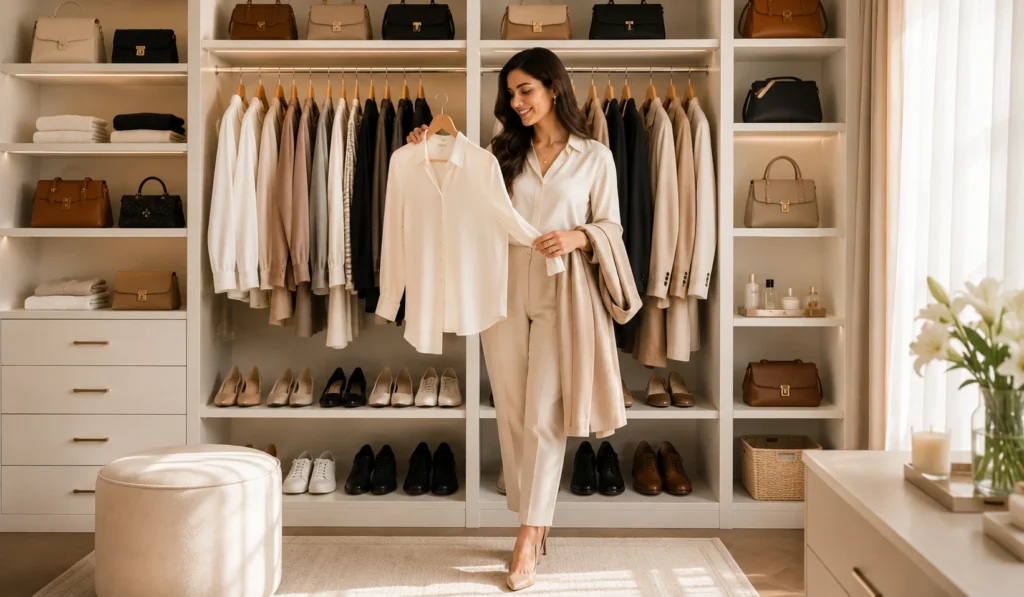
A few reliable basics can create dozens of combinations.
Depending on your lifestyle, consider starting with:-
- A well-fitting pair of jeans
- Black or neutral trousers
- Plain T-shirts
- A versatile shirt
- A simple dress or smart casual outfit
- A lightweight jacket or blazer
- Comfortable everyday shoes
- One versatile bag
- A few simple accessories
The exact list should depend on your work, climate, lifestyle and personal style. For example, someone working in an office may need more shirts and trousers, while someone with a casual lifestyle may get more use from jeans, T-shirts and sneakers..
3. Choose Colours That Work Together

One of the easiest ways to make a small wardrobe feel bigger is to choose colours that can easily be combined.
Start with a few dependable shades such as:-
- Black
- White
- Navy
- Beige
- Grey
- Brown
- Denim
You can then add one or two brighter colours that reflect your personality. This does not mean your wardrobe has to be boring. A colourful handbag, scarf, shoes, jewellery or statement top can completely change a simple outfit.
4. Spend More on Versatility, Not Just Branding
A higher price does not automatically mean a better purchase. When deciding whether something is worth buying, ask: How many outfits can I create with this? A simple shirt that works with jeans, trousers, skirts and layered outfits may be more useful than an expensive statement piece that only works for one occasion. Think about cost per wear rather than just the original price. If you wear an item dozens of times, it may provide more value than something that looked exciting in the store but stays in your wardrobe..
5. Learn the Power of Outfit Repetition
You do not need a completely different outfit every time you leave the house. Repeating clothes is normal. The trick is to change the styling..
For example, the same pair of jeans can look different when paired with:-
- A plain T-shirt and sneakers
- A shirt and loafers
- A sweater and boots
- A blazer and simple accessories
Changing your shoes, bag, jewellery, hairstyle or layering pieces can also give an outfit a different appearance..
6. Shop With a List
Impulse shopping can quickly destroy a clothing budget. Before buying something, write down what your wardrobe actually needs. If you already own five casual tops, buying another one simply because it is on sale may not be useful.
A simple shopping rule is:-
Need first, trend second.
Trends can be fun, but your basic wardrobe should not depend entirely on them.
7. Use Sales More Carefully
Sales can be useful, but a discount does not automatically make something a good purchase.
Before buying a sale item, ask yourself:-
- Would I buy this if it were not discounted?
- Does it fit properly?
- Can I style it with clothes I already own?
- Will I wear it regularly?
- Is the quality good enough for repeated use?
If the answer is mostly no, the discount may actually be encouraging unnecessary spending.
8. Try Second-Hand and Thrift Shopping
Second-hand shopping can be a useful way to find interesting pieces without paying full retail prices. Depending on where you live, you can explore thrift stores, resale platforms, vintage shops and local markets. Second-hand shopping is particularly useful for items such as jackets, denim, bags, books, accessories and certain occasion-wear pieces. Always check the condition, stitching, zippers, stains and overall fit before buying..
9. Do Not Ignore Accessories
Accessories can make a simple outfit feel much more intentional..
A few affordable additions can include:-
- A simple belt
- Minimal earrings
- A watch
- A scarf
- Sunglasses
- A structured handbag
- A cap or hat
- Simple necklaces
You do not need a huge accessory collection. A small selection that works with several outfits is usually enough.
10. Pay Attention to Fit
One of the biggest differences between an ordinary-looking outfit and a polished outfit can be the fit. A relatively inexpensive shirt that fits well can look better than an expensive shirt that does not suit your proportions.
Pay attention to:-
- Shoulder seams
- Sleeve length
- Trouser length
- Waist fit
- Overall silhouette
If an inexpensive item is almost perfect but needs a small alteration, basic tailoring may be worth considering.
11. Take Care of Your Clothes

The cheapest way to extend your wardrobe is often to take better care of what you already own. Follow the care instructions on clothing labels, avoid unnecessary washing when appropriate and store clothes properly. Simple habits such as folding knitwear correctly, using suitable hangers and repairing loose buttons can help clothes stay wearable for longer. A wardrobe does not become expensive simply because you own more clothes. Replacing damaged clothes repeatedly can also become costly..
12. Add Trends in Small Doses

You do not have to completely ignore fashion trends. Instead, introduce trends through relatively inexpensive and easy-to-replace items..
For example, you could experiment with:-
- A trendy colour
- A scarf
- Jewellery
- A bag
- Shoes
- A statement top
This allows you to refresh your wardrobe without replacing your entire collection every season. Current fashion coverage has also highlighted the continued role of classic pieces such as white shirts, denim, tailored trousers, simple T-shirts and versatile outerwear..
13. Create a Simple Capsule Wardrobe
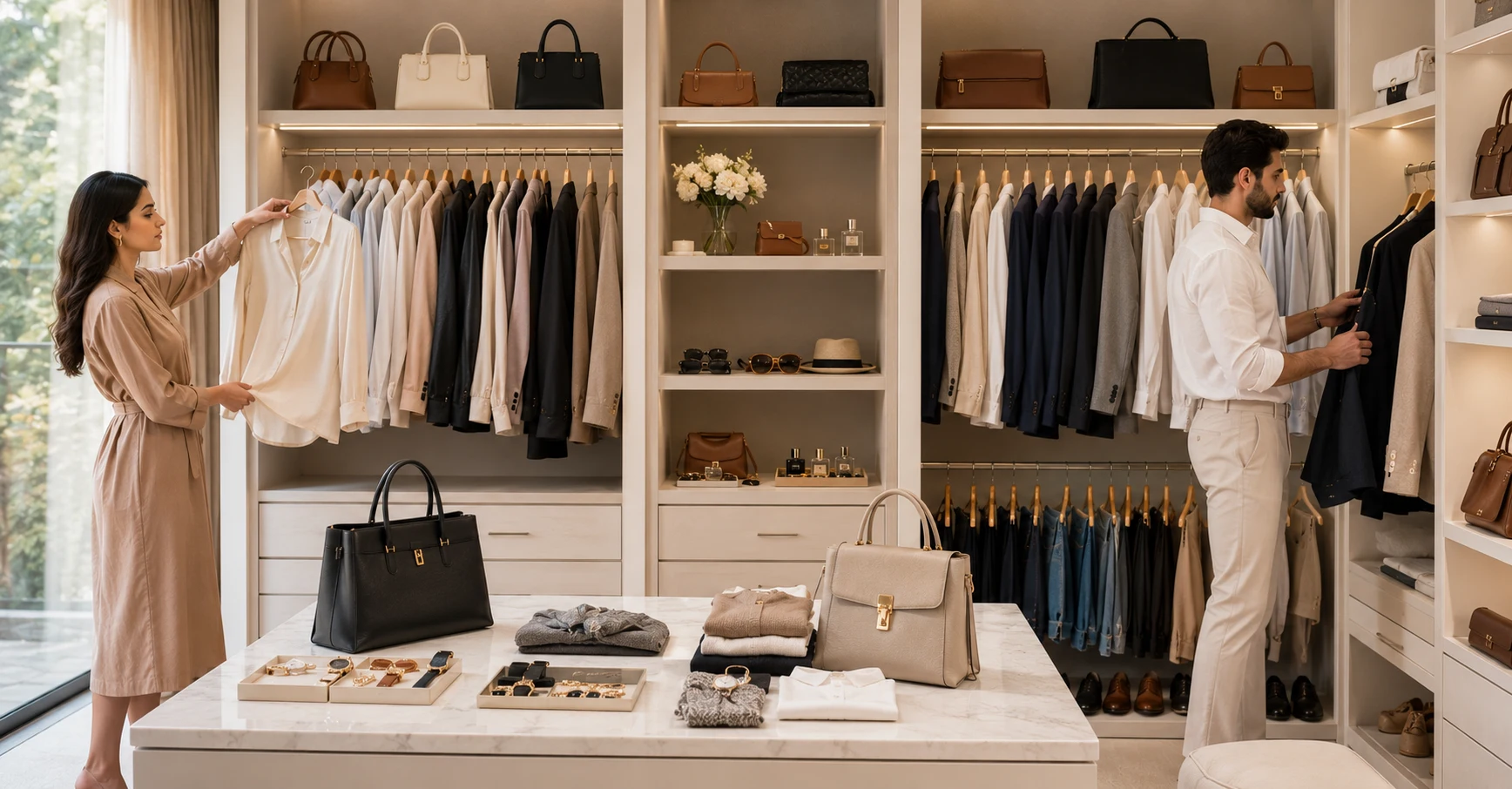
A capsule wardrobe is essentially a smaller collection of pieces that work well together. You do not have to follow a strict number of items. Instead, focus on creating combinations.
For example:-
3–4 tops + 2 bottoms + 1 layer + 2 pairs of shoes + accessories
can already create several different outfits. Once you understand what combinations work for you, you can gradually add pieces without making unnecessary purchases.
14. Know Your Personal Style
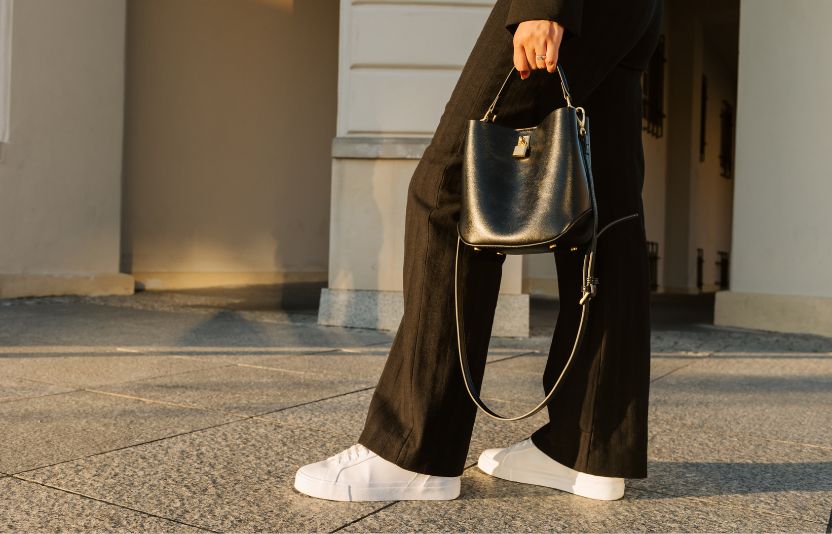
Budget shopping becomes much easier when you understand what you actually like.
Do you prefer:-
- Minimal and neutral?
- Casual and sporty?
- Classic and polished?
- Feminine and elegant?
- Streetwear-inspired?
- Traditional with modern touches?
Your wardrobe should reflect your lifestyle rather than simply copying someone else's Instagram or social media look. Fashion inspiration is useful, but your clothes need to work for your own daily life..
15. Follow the One-In, One-Out Rule
If your wardrobe is already full, consider removing one item whenever you add another. For example, if you buy a new pair of jeans, you could donate or sell an older pair that you no longer wear. This helps prevent your wardrobe from becoming overcrowded and makes it easier to see what you actually own..
A Simple Budget Wardrobe Strategy
If you are starting from scratch, do not try to buy everything in one shopping trip..
Build your wardrobe gradually..
First priority:- Everyday basics
Second priority:- Work or occasion-specific clothing
Third priority:- Shoes and bags
Fourth priority:- Accessories
Final priority:- Trend-based pieces
This approach spreads spending over time and allows you to identify what you genuinely need..
Common Budget Wardrobe Mistakes
Avoid these mistakes when shopping for clothes:-
Buying only because something is cheap:-
Low price does not mean good value.
Buying too many trends:-
Trends can quickly become difficult to style or stop feeling relevant.
Ignoring fit:-
A poor fit can make even good-quality clothing look unpolished.
Buying without checking your wardrobe:-
You may already own something similar.
Shopping without a budget:-
Small purchases can add up surprisingly quickly.
Choosing quantity over usefulness:-
A smaller wardrobe with versatile pieces can be easier to style than an overflowing closet.