


Travelling alone gives you something that group travel often cannot: complete freedom over your own schedule. You can wake up early for a quiet walk, spend an afternoon inside a museum, change your plans because you like a particular neighbourhood or simply sit at a café without having to coordinate with anyone else. India offers an enormous variety of experiences for solo travellers, from Himalayan towns and historic cities to beaches, wildlife destinations and cultural centres. But solo travel also requires a different kind of preparation. When you are travelling alone, small decisions matter more — where you stay, how you get from the airport or railway station, what time you arrive, how much personal information you share and whether someone you trust knows where you are. The goal is not to travel in fear. It is to travel prepared...
1. Research the Destination Before You Book
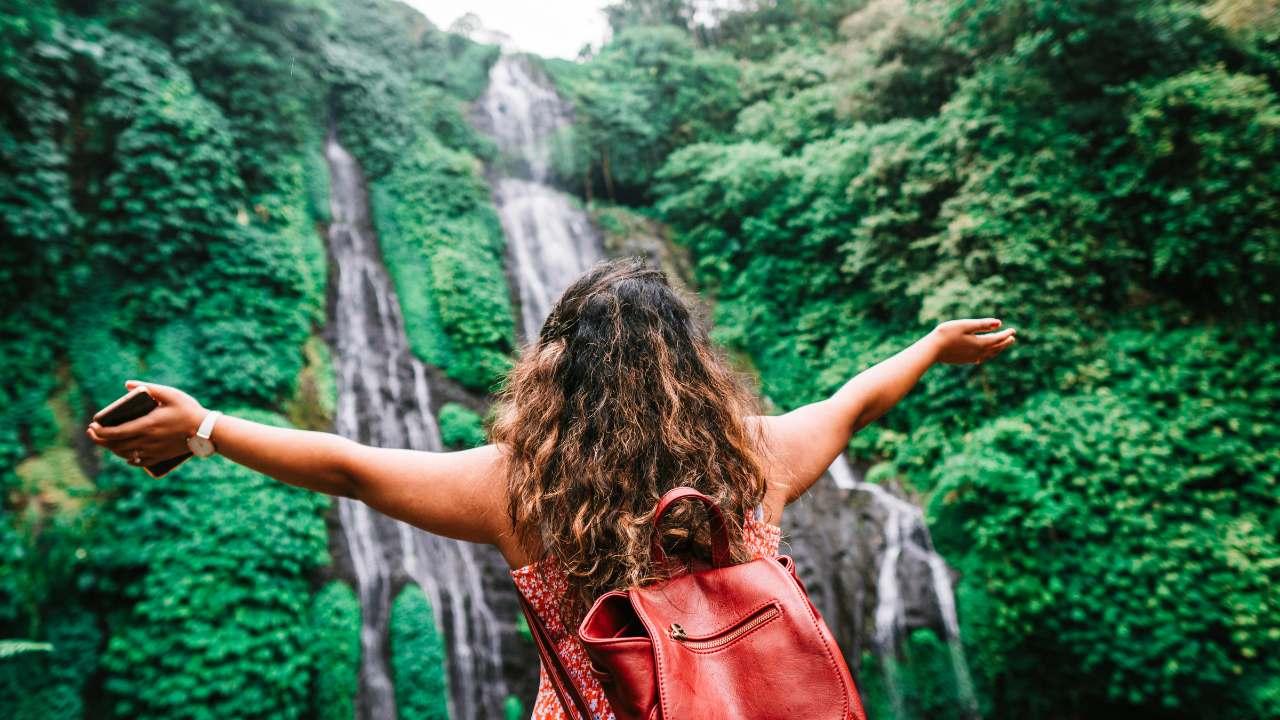
Do not choose a destination only because a photograph looks appealing on Instagram. Before booking, spend some time understanding the place.
Check:-
- How easy it is to reach the main area.
- Which neighbourhoods are commonly used by travellers.
- How reliable public transport is.
- Whether app-based taxis are easily available.
- What the area is like after dark.
- How far your accommodation is from transport hubs.
- Local weather and seasonal conditions.
- Any destination-specific travel advisories.
The Government of India's Ministry of Tourism notes that tourist safety and security are primarily a State subject, while several states and Union Territories have deployed dedicated tourist police. These include destinations such as Delhi, Goa, Kerala, Maharashtra, Rajasthan, Sikkim and Uttar Pradesh. That makes checking local safety arrangements part of sensible trip planning..
2. Choose Accommodation for Location, Not Just Price
The cheapest room is not always the best choice for a solo traveller.
When travelling alone, location can be more important than saving a little money.
Look for accommodation that:
- Has consistently good recent reviews.
- Is reasonably close to the places you plan to visit.
- Has a staffed reception or clear check-in arrangements.
- Provides secure entry.
- Has reliable transport access.
- Is in an area where you would feel comfortable returning in the evening.
Read recent reviews carefully rather than relying only on the property's overall rating.
Pay attention to comments about the neighbourhood, staff behaviour, cleanliness, security and the experience of women travelling alone.
3. Plan Your First Arrival Carefully
The first few hours in a new city can be the most confusing.
You may be tired after a flight or train journey, carrying luggage and unfamiliar with the local transport system.
Try to arrange your first transfer in advance.
Know:
- Where you will be picked up.
- Which transport service you are using.
- The approximate travel time.
- The address of your accommodation.
- What you should do if the driver or transport arrangement does not match your booking.
If you arrive late at night, advance planning becomes even more important.
Instead of figuring everything out after reaching the station or airport, have a clear plan before you leave home.
4. Share Your Itinerary With Someone You Trust
Solo does not have to mean completely disconnected. Before leaving, share your basic itinerary with a family member or trusted friend. You do not necessarily need to send every photograph or update.
A simple message can be enough:-
“I am staying here, arriving at this time and travelling to these places.” For longer trips, consider sharing your accommodation details and major transport plans as well. If your plans change significantly, update that person. The Ministry of Tourism operates a 24x7 multilingual Tourist Helpline at 1800-11-1363 or 1363, which provides travel information and guidance to tourists in distress while travelling in India.
5. Keep Your Phone Ready — But Do Not Depend on It Completely

Your phone can be one of your most useful travel tools.
Before leaving, make sure you have:-
- A charged phone.
- A power bank.
- Offline maps where possible.
- Important hotel and transport details saved offline.
- Emergency contacts easily accessible.
- Digital copies of important documents.
- A working mobile connection.
But there is one important rule:-
Do not make your phone your only safety plan. A dead battery, poor network or lost phone can immediately remove access to maps and digital payments. Keep some important information available offline and carry an alternative payment method..
6. Be Careful With Live Location Sharing
Location sharing can be useful when travelling alone, particularly when someone you trust is expecting you to reach a particular place. But avoid publicly posting your exact location in real time.
For example, repeatedly posting:-
“Staying at this hotel tonight” or “Travelling alone to this exact location” can reveal more information than necessary. You can still share your travel experiences online — simply consider delaying location-specific posts until after you have left the place..
7. Use Transport You Can Track
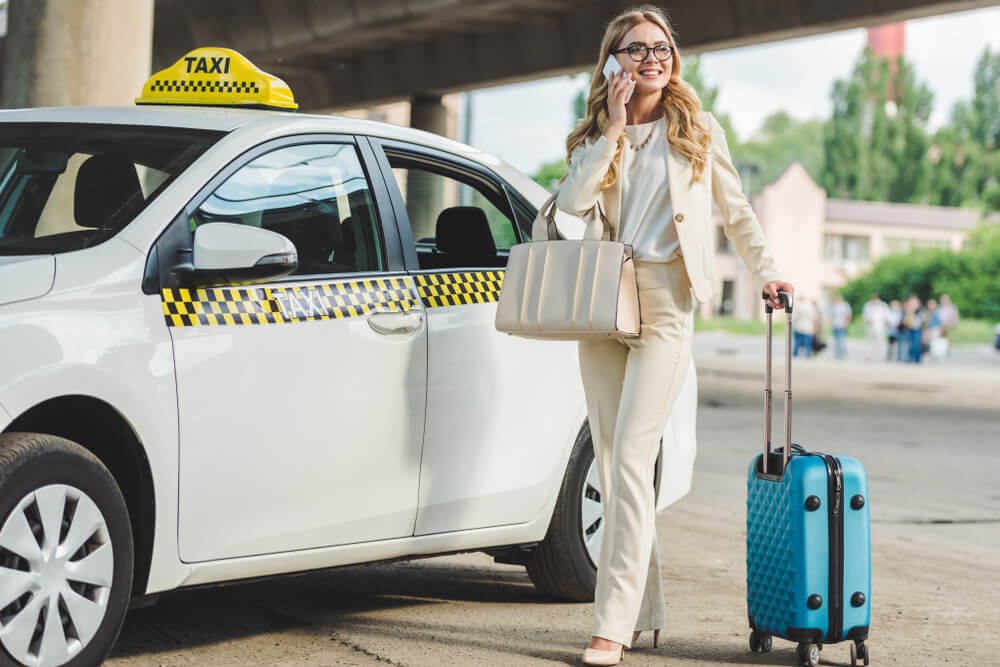
When possible, choose transport options that allow you to verify the vehicle and follow the journey.
Before entering a booked cab, check:-
- Vehicle registration..
- Driver details..
- Booking information..
- Destination on the app or booking confirmation..
If a driver asks you to cancel the booking and continue privately, think carefully before agreeing. For unfamiliar destinations, pre-booked or clearly identifiable transport can reduce unnecessary uncertainty. Public transport can also be perfectly practical, but learn the system before travelling, especially if you are arriving somewhere for the first time..
8. Be More Careful With Late-Night Travel

There is nothing wrong with enjoying an evening while travelling alone. But late-night movement requires additional planning..
If you know you will return after dark, decide beforehand:-
- How you will get back..
- Which transport option you will use..
- Whether the area around your accommodation remains active..
- Whether you need to arrange a pickup..
- Who you can contact if your plans change..
Avoid unnecessary last-minute decisions such as accepting a ride from someone you have just met because it seems convenient. A few minutes of planning can save considerable stress later..
9. Trust Your Instincts
One of the most useful solo-travel skills is learning to leave uncomfortable situations early. You do not need to prove that someone has bad intentions before deciding to move away. If a conversation feels intrusive, a situation feels uncomfortable or someone is repeatedly ignoring your boundaries, you can simply leave..
Move towards:-
- A busy public place.
- A hotel reception.
- A reputable shop or restaurant.
- A police station or other official location.
- A group of people or a family where appropriate.
You do not owe strangers an explanation for protecting your personal space..
10. Avoid Sharing Too Much Personal Information
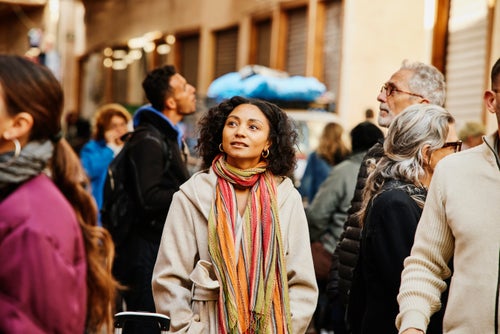
Friendly conversations are part of travelling. India is known for its hospitality, and meeting new people can become one of the memorable parts of a trip. But you do not need to reveal everything.
Avoid casually sharing details such as:-
- Your exact hotel room number.
- Your complete itinerary.
- How long you will be alone.
- Your financial situation.
- Your home address.
- Personal contact details unless necessary.
A simple response such as “I am meeting someone later” can be enough if you do not want to explain your plans..
11. Keep Money in More Than One Place
Digital payments are convenient, but carrying only one payment method can create problems.
A practical travel setup can include:-
- One primary digital payment method..
- A backup card..
- Some emergency cash..
- A secure place for important documents.
Do not keep all your money, cards and identification in one easily accessible pocket or bag. The same principle applies to important documents. Keep secure digital copies of your identification, tickets, accommodation information and other essential travel documents..
12. Dress for the Destination, Not for Stereotypes
There is no single way women should dress while travelling in India. India has enormous regional and cultural diversity. What makes sense in a beach destination may be different from what is practical at a religious site, remote village or trekking route. The useful approach is to research local customs and dress requirements for specific places, particularly temples, monasteries and other religious sites. The goal is not to change your identity. It is simply to understand the environment you are entering..
13. Be Particularly Careful With Adventure Activities
Solo travel can involve trekking, hiking, water sports, cycling or other outdoor activities. These experiences can be fantastic, but they require additional planning..
Before booking an activity, check:-
- Whether the operator is established.
- What safety equipment is provided.
- Whether guides are available.
- Weather conditions.
- Emergency arrangements.
- Whether the activity is suitable for your experience level.
For remote areas, tell someone where you are going and when you expect to return. Do not underestimate weather, altitude, water conditions or terrain simply because a destination is popular on social media..
14. Keep Your Accommodation Details Private

If someone you have just met asks where you are staying, you do not have to provide the exact hotel and room details. You can simply name the general area or say you are staying somewhere nearby. At the hotel, avoid announcing your room number loudly in public areas. If you feel uncomfortable about someone knowing your room location, speak privately with reception. Small privacy habits can make a difference..
15. Have an Emergency Plan Before You Need One
The best time to decide what you will do in an emergency is before the emergency happens. Save important numbers and know where you can get help. India's national emergency response number is 112. The Ministry of Tourism also operates the 24x7 Tourist Helpline at 1800-11-1363 / 1363. Depending on the situation, you may also contact local police, your accommodation's management or relevant local authorities. The Ministry of Tourism says Women Help Desks have also been established in a large number of police stations across India to make police stations more accessible to women..
Save these details before your trip instead of searching for them after something goes wrong.
16. Learn the Difference Between Being Polite and Setting a Boundary
Solo travel can sometimes involve situations where strangers ask personal questions. You can be friendly without being available for every conversation.
Useful phrases include:-
“No, thank you.”
“I am not comfortable with that.”
“I need to leave now.”
“Please give me some space.”
You do not need to keep smiling or explaining yourself after you have said no. Setting a boundary is not rude.
17. Do Not Let Safety Anxiety Take Over the Trip
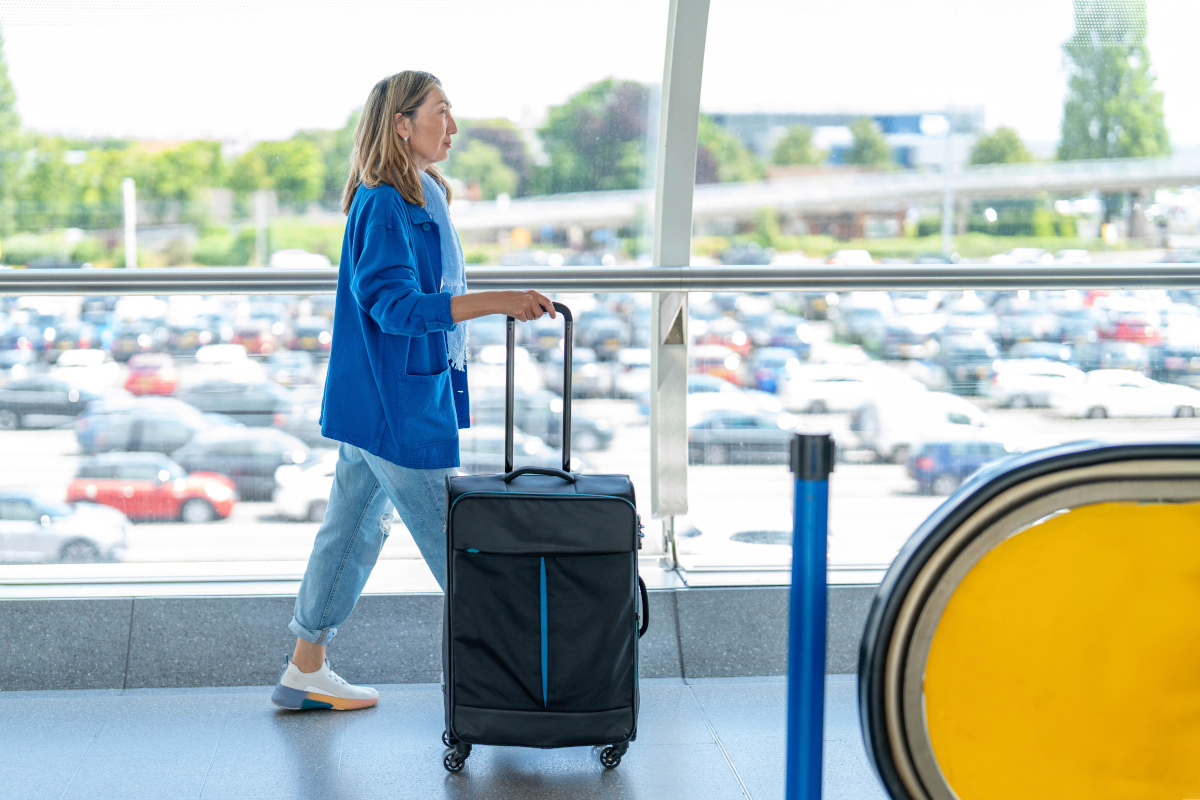
Safety planning is useful. Constant fear is not. If you spend the entire journey worrying about everything that could possibly go wrong, you may miss the experience you travelled for. A better approach is to build a few strong habits:
Plan your transport.
Protect your documents.
Keep someone informed.
Stay aware of your surroundings.
Have a backup plan.
Trust your instincts.
Once those basics are in place, you can focus on the reason you travelled in the first place..
A Simple Solo Travel Safety Checklist
Before leaving for your trip, check:-
- Accommodation booked and reviewed..
- First transfer planned.
- Important contacts saved.
- Itinerary shared with someone trusted.
- Phone and power bank charged.
- Offline maps available.
- Backup payment method ready.
- Emergency cash kept separately.
- Digital copies of important documents saved.
- Local transport understood.
- Weather checked.
- Destination-specific customs researched.
- Emergency numbers saved.
Solo Travel in India:-
India is not one uniform travel environment. Safety conditions, transport systems, infrastructure and local customs can vary significantly between cities, states and destinations. That is why generic advice such as “this place is completely safe” or “never travel alone” is rarely useful..
A better question is:-
What does this particular trip require me to prepare for?
A weekend in a major city, a Himalayan trek, a beach holiday and a rural cultural trip will all require different levels of planning. The Ministry of Tourism says tourist safety is primarily a State responsibility and has noted the deployment of tourist police in several states and Union Territories. It also operates a 24x7 multilingual tourist helpline for travellers..