


Tamil cinema has lost one of its most recognisable musical voices.
Veteran composer and singer Deva, whose real name was Devanesan Chokkalingam, died in Chennai on Saturday, October 17, 2026. He was 75.
Known affectionately as “Thenisai Thendral”, Deva built a career spanning nearly four decades and composed music for more than 400 films across Tamil, Telugu, Kannada and Malayalam cinema. His music became particularly associated with the energetic sound of 1990s Tamil cinema and the rise of Chennai's distinctive gaana tradition in mainstream films.
His death has prompted tributes from across the Tamil film industry, with colleagues, actors, filmmakers and political leaders remembering his contribution to cinema.
Deva's Death in Chennai

According to reports, Deva experienced chest pain on Saturday morning and was taken to a private hospital in Chennai. He died despite medical efforts. Reports have attributed his death to a heart attack.
News of his death quickly spread across the Tamil film industry, where Deva remained a familiar and respected figure even years after the peak of his commercial success.
His death comes at a time when his music continues to be remembered by audiences who grew up with the soundtracks of the 1990s and early 2000s.
Who Was Deva?
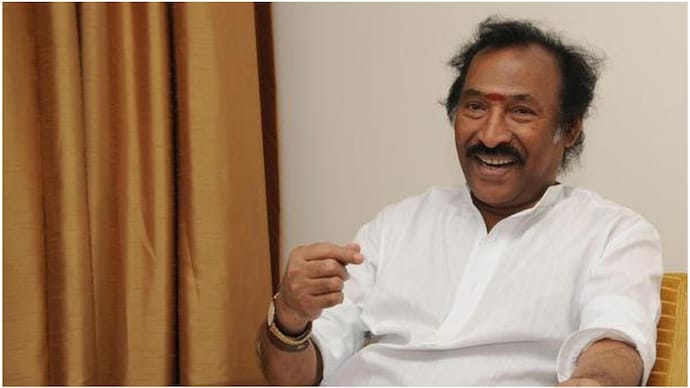
Born Devanesan Chokkalingam in 1950, Deva entered the entertainment world before becoming one of Tamil cinema's most prolific music directors.
His early work included television and stage-related music before he moved into films. He made his film-music debut in the late 1980s and gradually established himself as a major composer.
The 1990s proved to be an especially productive period in his career.
At the height of his popularity, Deva was working at an extraordinary pace. According to the Indian Express, he composed music for 36 films in 1996 alone.
That volume reflected not only his popularity but also the demand for his distinctive musical style.
Deva and Rajinikanth: A Memorable Musical Partnership
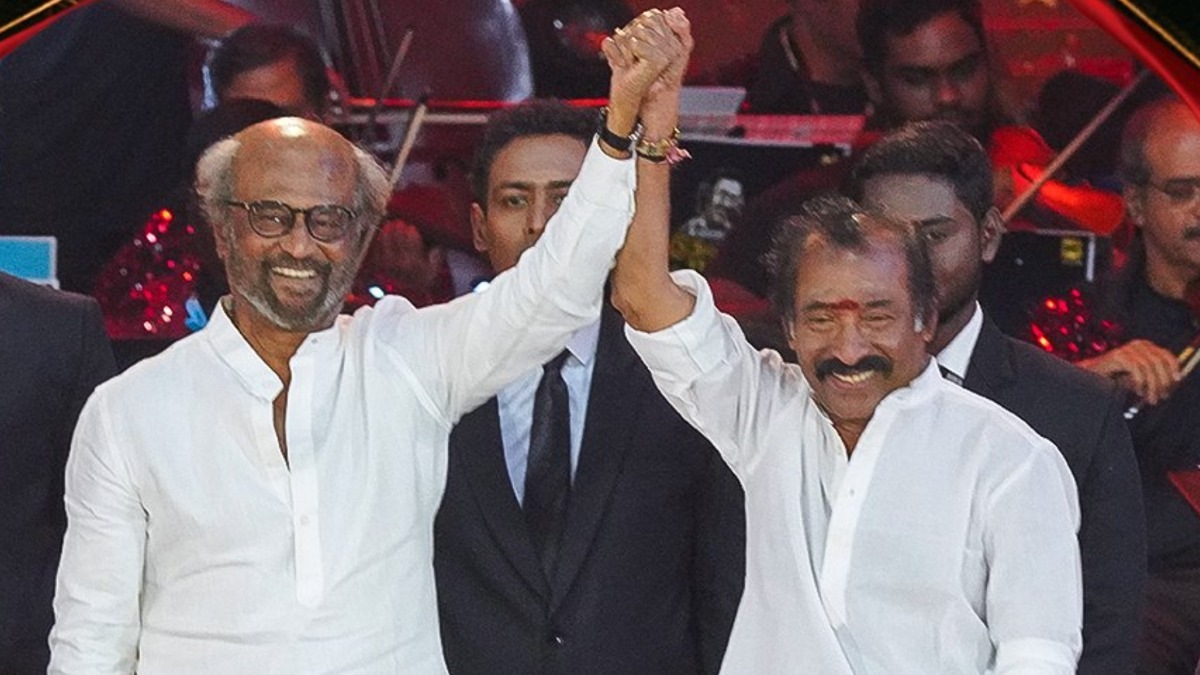
For many moviegoers, Deva's name will forever be linked with Rajinikanth.
He composed for several of the superstar's major films, including Annamalai and Baasha, creating music that matched Rajinikanth's larger-than-life screen presence.
Deva was also responsible for the distinctive music associated with Rajinikanth's introductory title cards and appearances. His musical identity became so closely connected with the superstar that the association continued across several films.
Songs such as “Naan Autokaaran” from Baasha became cultural touchpoints rather than simply film songs.
For a generation of fans, Deva's beats were part of the experience of watching a Rajinikanth film.
The Composer Who Took Gaana to the Mainstream

Perhaps Deva's biggest cultural contribution was his role in bringing Chennai's gaana music into mainstream Tamil cinema.
Gaana had strong roots in the city's local communities and street culture. Deva adapted that sound for commercial cinema without completely removing its local character.
The result was music that felt energetic, direct and immediately accessible.
His songs could carry the swagger of a mass hero, the humour of a comedy sequence or the emotional weight of a melody.
Akashvani described Deva as a composer who brought local flavour into film music, while PTI noted that his work helped bring the world represented by gaana into mainstream cinema.
That connection with everyday Tamil culture became one of the defining characteristics of his career.
Some of Deva's Most Remembered Films

Deva's filmography is extensive, but several titles stand out when looking back at his musical journey.
His association with Rajinikanth includes:
- Annamalai
- Baasha
- Arunachalam
He also composed for several major films featuring other leading actors, including:
- Aasai
- Kaadhal Kottai
- Nerukku Ner
- Vaali
- Avvai Shanmugi
- Kushi
- Panchathanthiram
His work with different actors and filmmakers showed that his musical style was not limited to one kind of cinema.
More Than Just Mass Songs
It would be easy to remember Deva only for his high-energy gaana and hero-introduction numbers.
But his body of work was much broader.
He composed romantic melodies, background scores, folk-inspired songs and music for comedy sequences. His work on films such as Aasai, Kaadhal Kottai and Panchathanthiram demonstrated his ability to adapt his sound to different genres and storytelling styles.
That versatility helped him remain one of the most frequently heard composers in Tamil cinema during his peak years.
Deva Was Also a Singer
Deva was not only a composer.
He was also known for singing and writing songs, particularly in the gaana tradition.
His distinctive voice became part of the identity of several of his compositions.
That made his work feel particularly personal. He was not simply creating music from behind the scenes; in many cases, his own voice became part of the sound that audiences remembered.
His Connection With Other Tamil Cinema Stars
Although Rajinikanth remained one of the strongest associations of his career, Deva worked with a wide range of actors.
His filmography includes collaborations with Kamal Haasan, Vijay, Ajith Kumar and several other major names in Tamil cinema.
His work on films such as Panchathanthiram and Kushi showed his ability to move comfortably between comedy, romance, commercial entertainment and mass cinema.
This broad reach helped make his music familiar across generations.
The Industry Remembers Deva
Following news of his death, tributes began coming in from across Tamil Nadu and the film industry.
Poet and lyricist Vairamuthu, who worked with Deva on several films, recalled their long professional association and particularly praised the composer's musical connection with Rajinikanth.
Actor and filmmaker personalities also expressed grief, remembering Deva not only for his music but also for his warmth and personality.
The tributes underline something important about his career: Deva was remembered not simply as a prolific composer, but as a musician whose work had become part of popular culture.
A Career of More Than 400 Films
A career spanning nearly four decades and more than 400 films is itself remarkable.
But Deva's legacy cannot be measured only by the number of soundtracks he created.
His greater contribution was the way he made local musical traditions commercially powerful.
He showed that a distinctly Chennai sound could sit comfortably alongside the large-scale spectacle of mainstream Tamil cinema.
His music could be loud and celebratory one moment and gentle and melodic the next.
That combination helped make his work instantly recognisable.
Why Deva's Music Still Matters
Music trends change quickly.
Styles that dominate one decade can disappear from mainstream cinema in the next.
Yet Deva's songs have continued to be remembered because they were closely connected with characters, cities, stars and moments in popular culture.
His music for Rajinikanth's films, in particular, became part of the superstar's screen identity.
His contribution to gaana also helped ensure that a musical form deeply associated with Chennai's local culture reached audiences far beyond its original setting.
That is why his passing is being felt not only as the loss of a composer but also as the loss of an important voice in the evolution of Tamil film music.
Deva's Legacy
Deva leaves behind a catalogue that covers several generations of Tamil cinema.
From Annamalai and Baasha to Aasai, Kushi and Panchathanthiram, his music travelled across genres and audiences.
His son Srikanth Deva also followed him into the music industry as a composer, extending the family's connection with Tamil film music.
But Deva's individual identity remains unmistakable.
The nickname “Thenisai Thendral” — broadly translated as “Breeze of Sweet Music” — captured the affection with which audiences regarded him.
A Musical Era Comes to an End
For fans who grew up watching Tamil cinema in the 1990s, Deva's music is tied to memories of theatres, cassette tapes, television broadcasts, hero introductions and songs that quickly became part of everyday life.
His death at 75 marks the end of an important chapter in Tamil film music.
The melodies will continue to play, the Rajinikanth introduction themes will continue to bring back memories, and the gaana rhythms he helped take to the mainstream will continue to influence popular music.
That may ultimately be Deva's greatest legacy.
He did not simply compose songs for films. He helped give Tamil cinema a sound that audiences could immediately recognise as their own.