


Saving money can feel difficult when monthly expenses seem to consume most of your income. Rent, groceries, bills, travel, subscriptions, shopping and unexpected expenses can quickly add up. But saving does not always mean making major lifestyle changes. A better approach is to understand where your money goes, control avoidable expenses and make saving a regular part of your monthly routine. The Reserve Bank of India recommends regular saving to prepare for both planned expenses and unexpected situations. It also suggests building an emergency fund that can cover at least three months of living expenses, with a larger cushion potentially appropriate for people with less predictable income. Here are 10 practical ways to save more money every month..
1. Create a Realistic Monthly Budget

The first step to saving is knowing exactly how much you earn and where your money goes.
At the beginning of each month, list your expected income and divide your expenses into categories such as:-
- Rent or home expenses
- Food and groceries
- Transport
- Utilities
- EMIs and debt payments
- Shopping
- Entertainment
- Subscriptions
- Savings and investments
A budget does not have to be complicated. Even a simple spreadsheet or notes app can help you identify where your money is going. The goal is not to stop spending. It is to make sure your spending reflects your priorities..
2. Track Small Expenses

Large expenses are easy to notice, but small purchases can quietly become a significant part of your monthly spending. Coffee, food delivery, online shopping, convenience purchases and frequent cab rides may each seem insignificant. However, several such purchases every week can add up. Try tracking every non-essential purchase for one month. You may discover spending patterns that were difficult to notice before..
3. Save Before You Start Spending

One of the easiest ways to make saving consistent is to treat it like a monthly expense. Instead of spending your income first and saving whatever remains, set aside a predetermined amount soon after receiving your salary. You can automate a transfer to a separate savings account so that the money is moved before you have an opportunity to spend it. The exact amount depends on your income, expenses and financial goals. Even starting with a small amount can help establish the habit..
4. Review Your Subscriptions
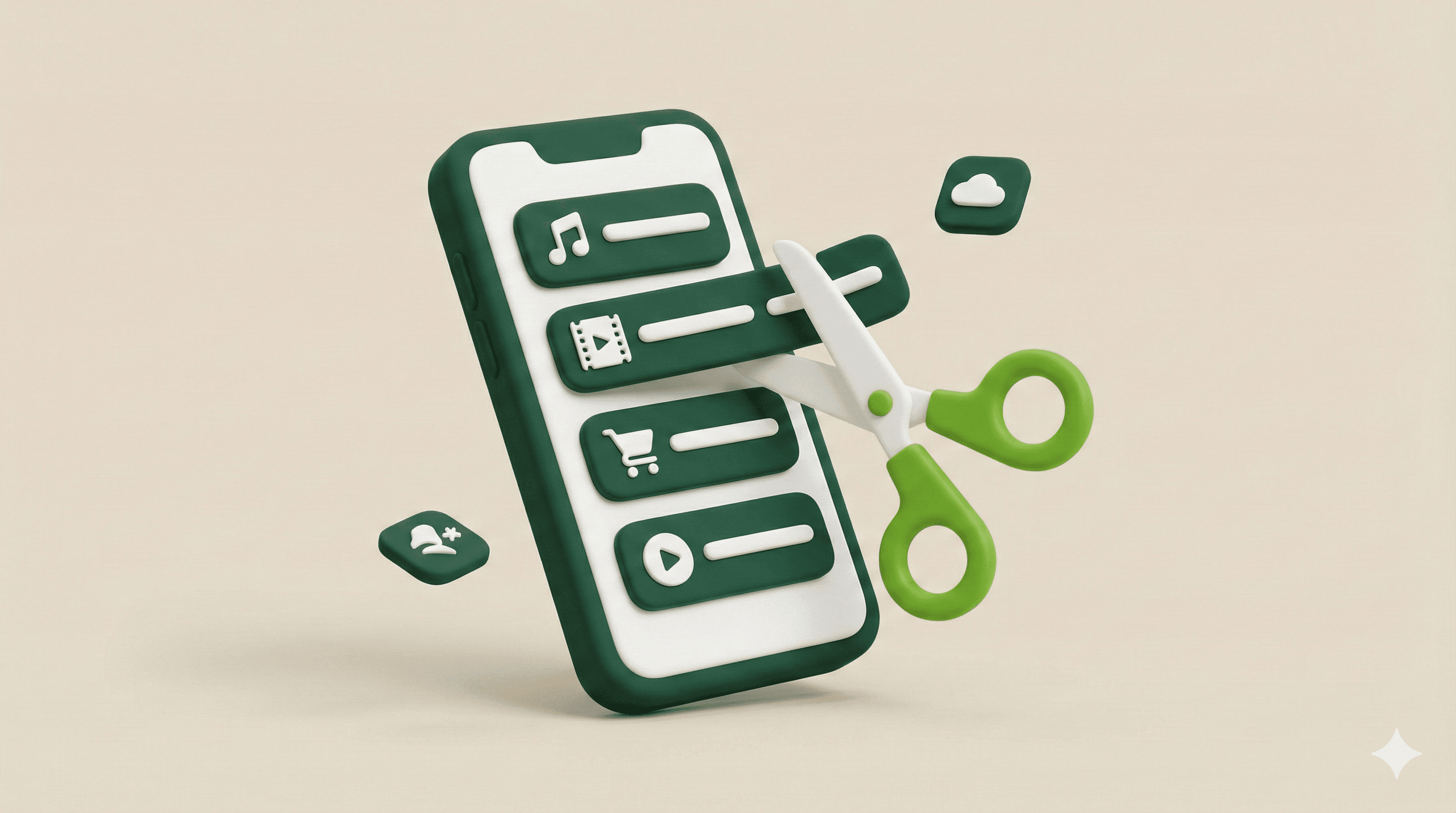
Streaming services, music apps, cloud storage, memberships and other recurring payments can remain active long after you stop using them regularly. Go through your bank and card statements and make a list of recurring payments.
Ask yourself:-
- Do I use this service regularly?
- Do I need more than one similar subscription?
- Can I move to a cheaper plan?
- Am I paying for a service I forgot about?
Cancelling even a few unused subscriptions can create recurring monthly savings..
5. Reduce Impulse Purchases

Online shopping has made it extremely easy to buy something within minutes. Before making a non-essential purchase, consider using a simple waiting rule. For example, wait 24 hours before buying a relatively expensive item. For larger purchases, give yourself even more time. During the waiting period, ask whether you genuinely need the product, whether you already own something similar and whether the purchase fits your monthly budget. This small pause can help separate genuine needs from temporary wants..
6. Plan Your Grocery Shopping
Food is an essential expense, but it is also an area where small changes can make a difference. Before going grocery shopping, check what you already have at home and make a list of what you actually need. Planning meals can reduce unnecessary purchases and help prevent food from being wasted. You can also compare prices, buy frequently used staples in appropriate quantities and avoid shopping while hungry. The aim is not to choose the cheapest food available. It is to reduce waste and make your grocery spending more intentional..
7. Use the 24-Hour Rule for Online Shopping
Flash sales, limited-time offers and personalised recommendations can encourage people to make purchases they had not planned. A useful strategy is to put non-essential items in your cart but wait before completing the payment. After 24 hours, check whether you still want the product. If you do, review the price, alternatives and your budget before purchasing. A discount is only a saving if you actually needed the item..
8. Build an Emergency Fund
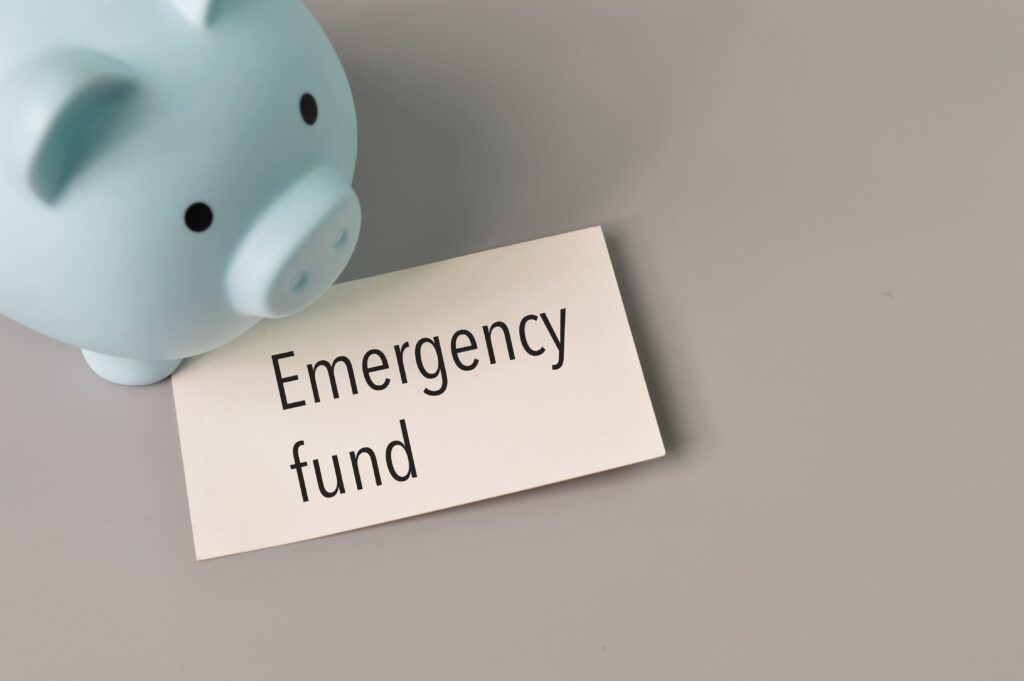
Saving for emergencies is different from saving for a holiday or a new phone.
An emergency fund is designed for unexpected situations such as a sudden loss of income or an urgent expense.
The RBI's financial education material recommends maintaining an emergency fund covering at least three months of living expenses. It notes that people with less secure income may consider saving for six months or more.
Keep this money separate from your regular spending account and make it easily accessible.
If building several months of expenses feels impossible right now, start with a smaller target and gradually increase it.
9. Be Careful With Credit and EMIs
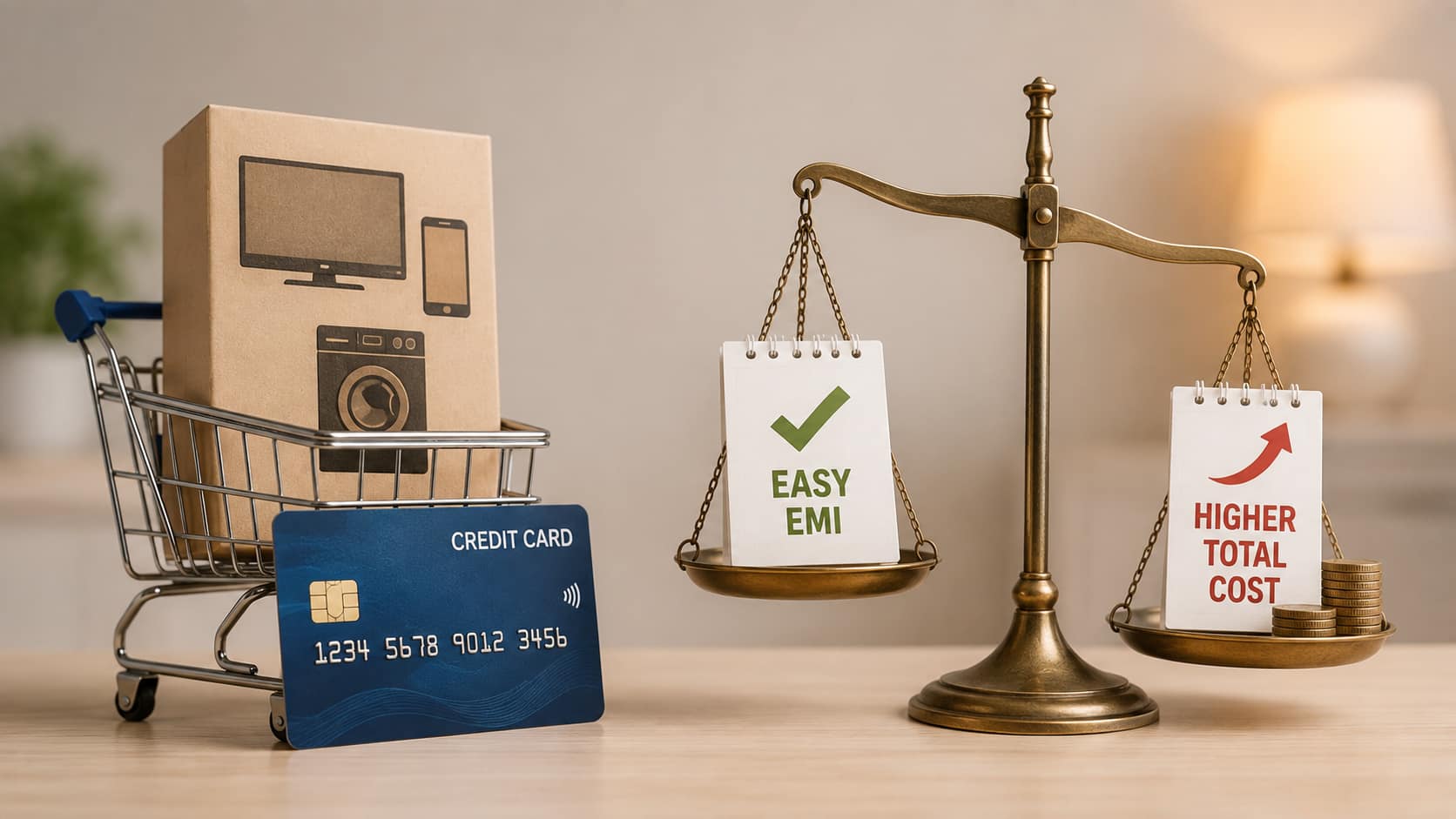
Easy access to credit can make it tempting to purchase something immediately and worry about the cost later. Before taking a new EMI or using credit for a non-essential purchase, look at the total repayment cost rather than just the monthly instalment. A small monthly payment can still become expensive when multiple EMIs accumulate. Try to keep room in your monthly budget for savings rather than committing too much income to repayments..
10. Give Every Saving a Purpose

Saving becomes easier when you know what you are saving for.. Instead of simply thinking, "I need to save more," create specific goals..
For example:-
- Emergency fund
- Annual insurance payment
- Holiday
- Education
- Home purchase
- Major purchase
- Retirement
- Future family expenses
You can maintain separate targets for short-term and long-term goals. SEBI's investor education resources also emphasise understanding financial products before investing and choosing regulated investment products rather than making decisions based purely on promises of high returns..
A Simple Monthly Saving System
You do not need a complicated financial system to get started..
Try this simple routine at the beginning of every month:
Step 1: Calculate your monthly income.
Step 2: List your essential expenses.
Step 3: Set a savings target.
Step 4: Move that amount to savings automatically.
Step 5: Set a limit for discretionary spending.
Step 6: Review your expenses at the end of the month.
Step 7: Adjust your budget for the following month.
This process can help turn saving from something you occasionally remember into a regular financial habit.
What If You Cannot Save Much?
Not everyone has enough disposable income to save a large amount every month. If your essential expenses already consume most of your income, do not assume that extreme spending cuts are the only solution. Look for realistic opportunities to reduce recurring costs, manage debt and, where possible, increase income through additional work or skill development. Even a small, consistent saving habit can be a useful starting point. The RBI also recommends starting small when building an emergency fund rather than waiting until you can save a large amount at once..