


Durga Ashtami 2026: When Is Maha Ashtami?
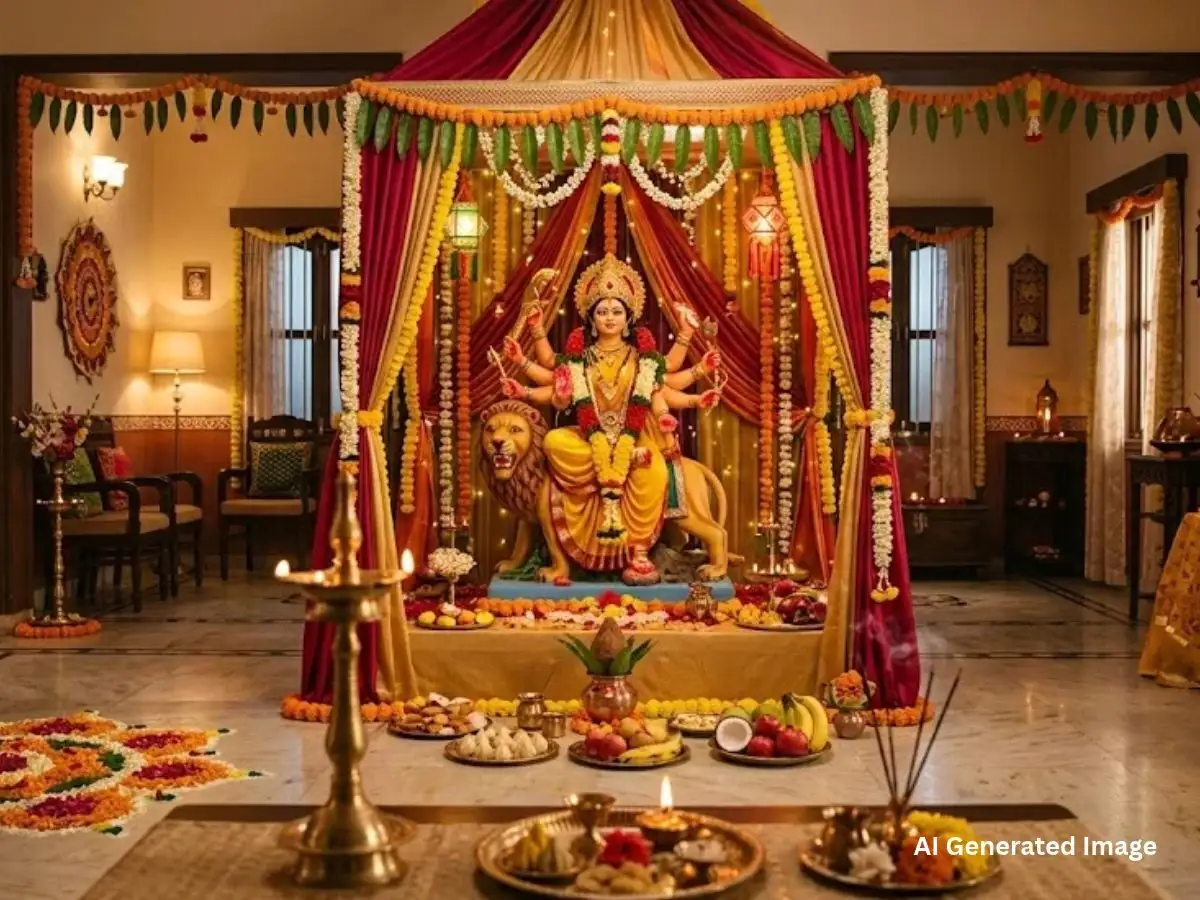
Sharadiya Navratri reaches one of its most important stages with Durga Ashtami, also known as Maha Ashtami or Mahashtami. In 2026, the Ashtami tithi begins on October 18 and continues into the morning of October 19. Because the tithi crosses two calendar dates, there has been some confusion about whether Maha Ashtami and Kanya Pujan should be observed on October 18 or October 19.
According to the Udaya Tithi tradition followed by several Panchang calculations, Maha Ashtami will be observed on Monday, October 19, 2026. In Delhi, the Ashtami tithi ends at around 10:51–10:52 AM on October 19. Devotees who follow a tradition of performing Kanya Pujan on Ashtami can therefore perform the ritual on the morning of October 19, before the tithi ends.
However, some families and regional traditions perform Kanya Pujan on the day when the Ashtami tithi begins, which is October 18. Therefore, the exact date can depend on the family tradition and the local Panchang being followed.
Kanya Pujan 2026: When Should You Do It?
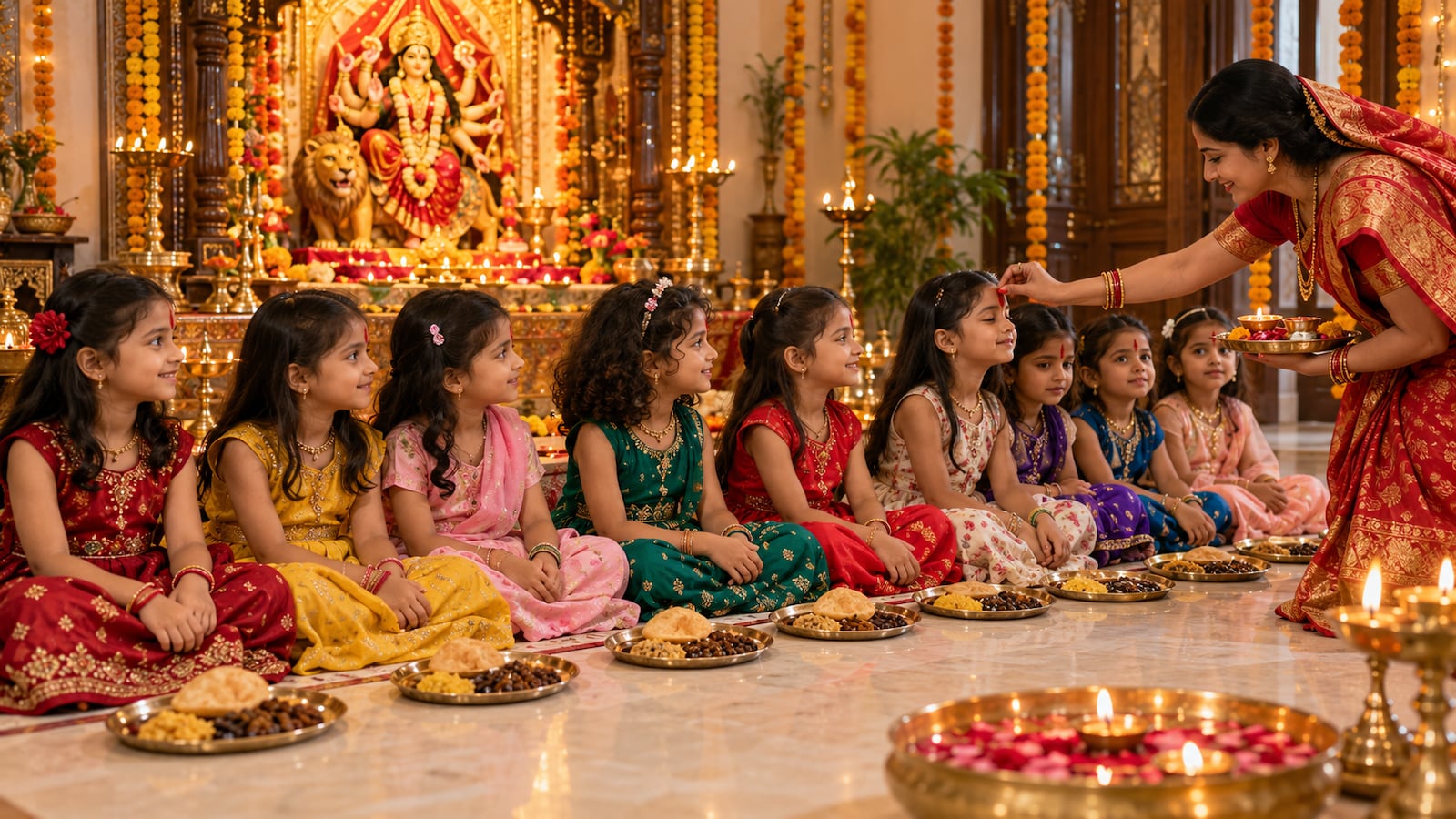
Kanya Pujan, also known as Kanjak Puja or Kumari Puja, is traditionally performed on Ashtami or Navami during Navratri. Young girls are worshipped as manifestations of the Goddess and are offered food, respect and gifts.
For devotees following the Udaya Tithi calculation in Delhi, the preferred day for Maha Ashtami and Kanya Pujan is October 19, 2026. The morning after sunrise and before the Ashtami tithi ends is generally considered suitable for the ritual.
Those who follow a family or regional tradition of performing Kanya Pujan on October 18 may do so on that day as well. The important point is to follow the Panchang and religious tradition observed by the family rather than treating one calendar date as universally applicable across all regions.
Durga Ashtami 2026 Shubh Muhurat
The exact puja muhurat varies according to location because sunrise and other Panchang calculations differ from city to city. For Delhi, one Panchang calculation places the Maha Ashtami puja window approximately between 6:24 AM and 10:51 AM on October 19. Kanya Pujan is traditionally performed during the morning after the girls arrive and the initial worship is completed.
Since the timing of tithi and auspicious periods can differ slightly between Panchangs, devotees should check the local Panchang for their city before finalising the exact puja time.
Why Is Kanya Pujan Performed on Ashtami?

Kanya Pujan is an important Navratri tradition in which young girls are respected as symbolic forms of Goddess Durga. The ritual represents devotion to the feminine divine and is traditionally associated with seeking the Goddess's blessings.
Families commonly invite young girls to their homes, wash their feet, apply tilak and offer them a traditional meal. Gifts or small tokens are also given as a gesture of respect.
The ritual is not simply about serving food. It is performed as an expression of gratitude, devotion and reverence towards the divine feminine.
How to Perform Kanya Pujan at Home

The traditional Kanya Pujan begins by cleaning the place of worship and preparing a clean seating area for the invited girls. The number of girls invited can vary according to family tradition. Some traditions also include a young boy, known as a Batuk Bhairav, along with the girls.
When the children arrive, they are respectfully welcomed into the home. Their feet may be washed with clean water, after which they are seated comfortably. Devotees then apply kumkum or tilak and offer flowers or akshat as part of the worship.
A traditional Navratri meal is then served. Halwa, puri and black chickpeas, or kala chana, are among the most commonly prepared dishes for Kanya Pujan. Fruits and sweets may also be offered depending on the family's tradition.
After the meal, children are given gifts, fruits, sweets or other useful items. The family then seeks their blessings and respectfully bids them farewell.
What Is Offered During Kanya Pujan?

The traditional puja setup can include kumkum, rice or akshat, flowers, water, a clean seating arrangement and devotional offerings. For the meal, halwa, puri and kala chana are particularly associated with Kanjak Puja.
Families may also offer fruits, sweets, stationery, clothing or small gifts to the children. There is no need for elaborate or expensive gifts; the emphasis of the tradition is on respect and devotion.
Which Goddess Is Worshipped on Ashtami?
The eighth day of Navratri is traditionally associated with Maa Mahagauri, the eighth form of Goddess Durga in the Navadurga tradition.
Devotees offer prayers, flowers, food and other offerings to the Goddess. Many families also perform a havan or recite devotional texts such as the Durga Saptashati or Durga Chalisa according to their traditions.
Durga Ashtami and Sandhi Puja
Another important ritual associated with Maha Ashtami is Sandhi Puja, which takes place at the transition between Ashtami and Navami. It is particularly significant in Durga Puja traditions.
For Delhi, one Panchang calculation places the Sandhi Puja period at approximately 10:27 AM to 11:15 AM on October 19, although devotees should follow the timings given by their local Panchang or puja committee.
What Should Devotees Keep in Mind?
The biggest point to remember in 2026 is that the Ashtami tithi spans two calendar dates. Therefore, different calendars may show October 18 or October 19 for Maha Ashtami and Kanya Pujan.
For devotees in Delhi following the Udaya Tithi calculation, October 19 is the key date for Maha Ashtami, with the Ashtami tithi ending around 10:51–10:52 AM. Those following another regional or family tradition should follow their established Panchang.
The same principle applies to Kanya Pujan: rather than focusing only on the date printed on a general calendar, devotees should consider the local tithi, sunrise and family tradition.
Durga Ashtami 2026: Key Details
Festival: Durga Ashtami / Maha Ashtami
Date in Delhi under Udaya Tithi: October 19, 2026
Ashtami Tithi: October 18 morning to October 19 morning
Kanya Pujan: Traditionally on Ashtami or Navami
Maa Durga Form: Mahagauri
Traditional Bhog: Halwa, Puri and Kala Chana
Important Rituals: Kanya Pujan, Havan and Sandhi Puja