India is home to many temples, each steeped in extraordinary tales, unique traditions, and mysteries that have captivated devotees for generations. From a sacred grove where flowers are offered at night, to a temple where natural flames are worshipped as a manifestation of a Goddess—these sites represent a confluence of faith, tradition, and curiosity.
People often speak of remarkable occurrences they have experienced while visiting certain temples. While some of these events might be explained through history or natural phenomena, others are deeply rooted in the profound faith of the people and the stories they share. Let us explore 10 such temples in India, renowned for their incredible tales and experiences phenomena that many perceive as miracles.
1. Nidhivan, Vrindavan: The Mystery of the Nightly Floral Offerings
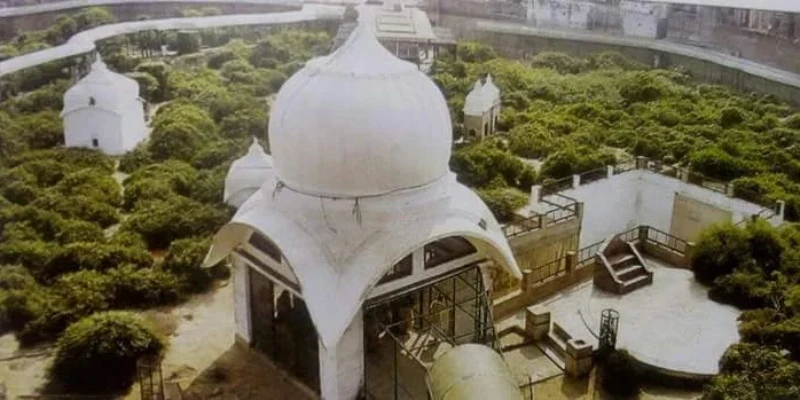
Located in Vrindavan, Uttar Pradesh, Nidhivan is associated with one of the most compelling beliefs in the tradition of Krishna devotion. According to local lore, after sunset, Radha and Krishna perform their divine 'Raas Leela' here.
Within the complex lies the 'Rang Mahal,' where a unique tradition is observed: flowers, sweets, and other offerings are meticulously arranged for the divine couple. At night, the premises are closed to devotees—a practice stemming from a deep-seated religious belief. It is considered a place where the spiritual and natural worlds converge; keeping the site closed at night is intended to honor and preserve this sanctity.
Some devotees believe that when the temple doors are opened the following morning, the state of the offerings suggests a divine presence. However, these claims of supernatural occurrences have not been independently verified.
2. Jwala Ji Temple, Himachal Pradesh:
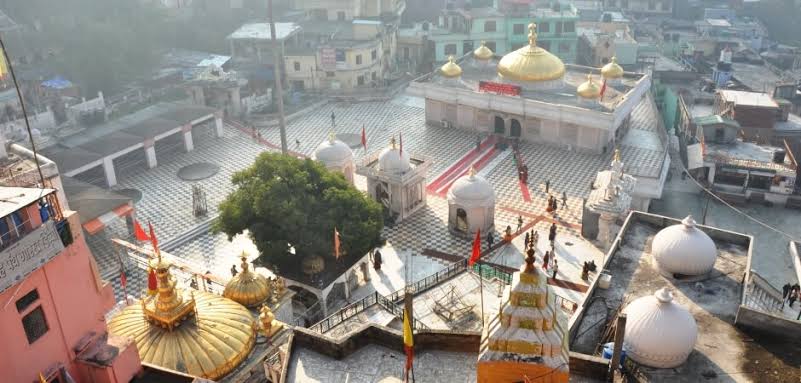
Where the Goddess is worshipped in the form of a flame
Unlike other temples where devotees worship an idol, the Jwala Ji Temple located in the Kangra districtis renowned for natural flames that emerge from between the rocks.
Devotees worship these flames, viewing them as a manifestation of Goddess Jwala herself. During Navaratri, the temple becomes a major pilgrimage site.
These flames, which emerge from the ground, are a genuine natural phenomenon caused by gases escaping from within the Earth. What makes them truly special, however, is their profound spiritual significance—a connection rooted in the faith of the people and the sanctity of the site, which has endured for centuries.
3. Kamakhya Temple, Assam: The mystery of the Ambubachi Mela
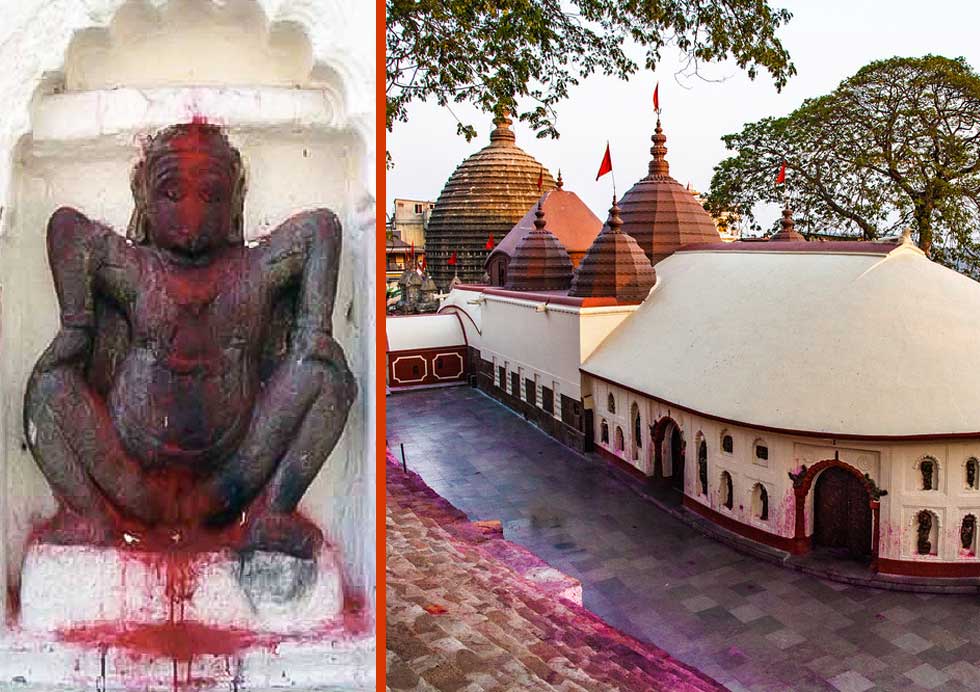
Situated on the Nilachal Hill in Guwahati, the Kamakhya Temple is one of India’s primary Shakti Peethas.
The temple is particularly famous for the 'Ambubachi Mela' an annual festival based on the belief that Goddess Kamakhya undergoes menstruation. During this period, the temple is closed for a few days and subsequently reopened following the performance of special rituals.Devotees from across India travel to attend this festival, which represents a unique religious tradition centered on fertility, womanhood, and the power of the Divine Feminine.
4. Mehandipur Balaji Temple, Rajasthan: Rituals for protection against negative forces
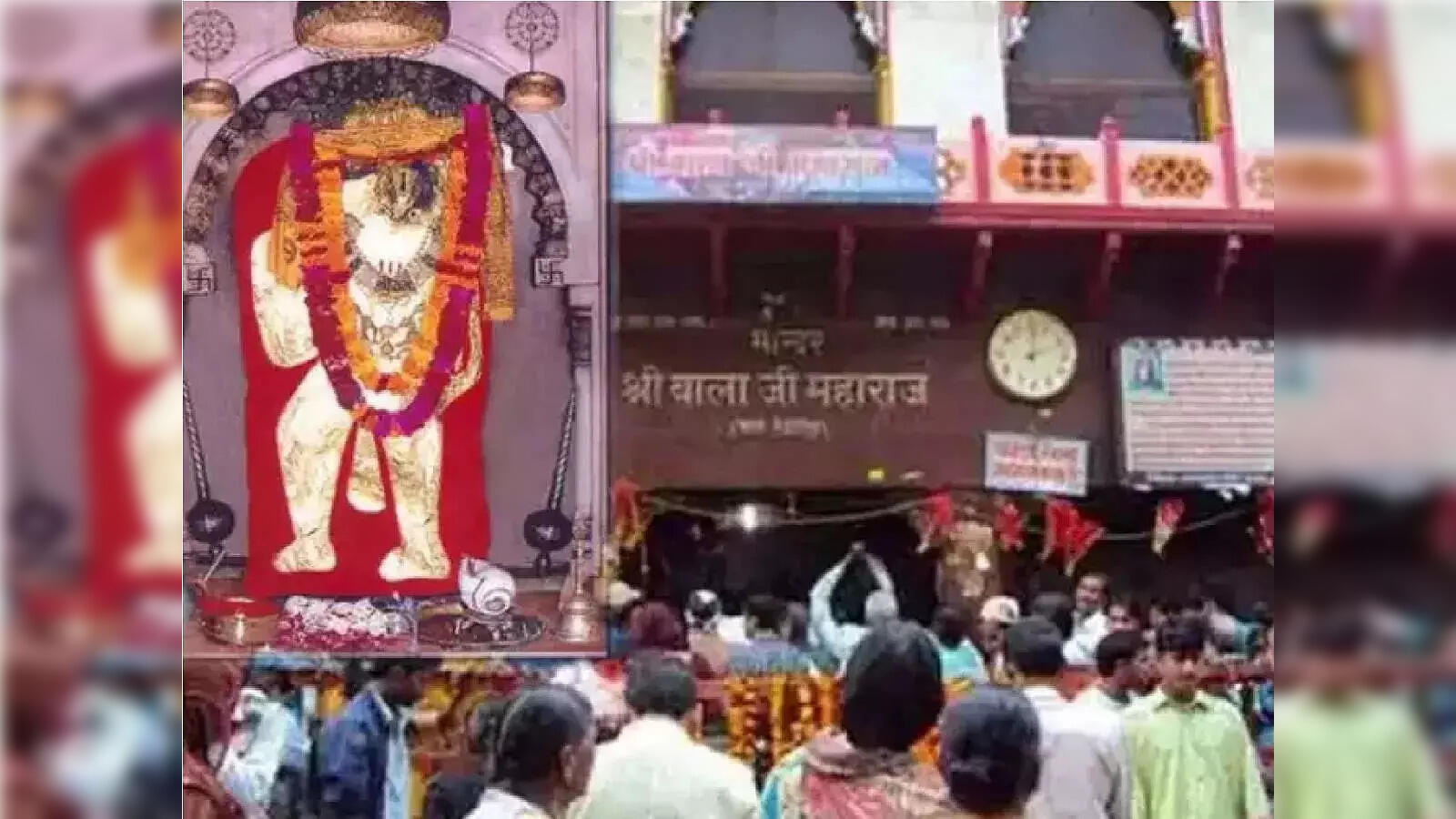
Located in the Dausa district, the Mehandipur Balaji Temple is dedicated to Lord Hanuman. The temple is well-known for rituals performed by those seeking protection from evil spirits or negative supernatural forces.
The atmosphere here is quite intense, and the unique rituals conducted at the site have long been a subject of curiosity.
Visitors to such places often recount extraordinary experiences that defy conventional explanation. However, the fact that something appears miraculous does not prove that it is supernatural. Doctors and scientists have no evidence to suggest that supernatural forces can cause illness or strange behavior. Therefore, if someone is feeling unwell or behaving in an unusual manner, they should consult a doctor and seek appropriate help. It is better to take precautions and seek expert advice beforehand than to regret it later.
5. Kaal Bhairav Temple, Ujjain: Why is alcohol offered to the deity?

The Kaal Bhairav Temple in Ujjain is known for a unique tradition: alcohol is offered to 'Kaal Bhairav,' a fierce manifestation of Lord Shiva.
People find this practice quite intriguing, as it is not typically seen in other Hindu temples. For the devotees who come here to worship, this is an integral part of their faith, deeply connected to their personal sentiments. It serves as a distinct way to express their devotion and connect with their religious heritage.
The manner in which the offering (*prasad*) is received during worship might appear miraculous, but in reality, it is simply a specific aspect of the temple's religious practices. There is no supernatural phenomenon involved; rather, it reflects the significance of this particular ritual within the temple's traditions. It is the temple's own practices that imbue the offering with its significance—not any scientific or magical explanation.
6. Veerabhadra Temple, Lepakshi: The Hanging Pillar
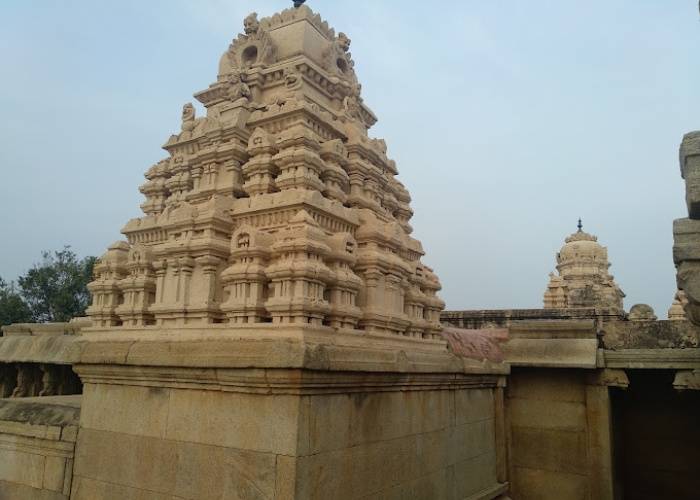
The Veerabhadra Temple, located in Lepakshi, Andhra Pradesh, is famous for a pillar that appears to hang slightly above the ground, rather than resting firmly upon it.
For a long time, people have been fascinated by this architectural feature, and the pillar has become one of the temple's most talked-about attractions.
7.Stambheshwar Mahadev Temple, Gujarat: A Temple That Disappears Underwater

Stambheshwar Mahadev Temple, located near the coast in Gujarat, is famous for a remarkable sight: at certain times, seawater covers the small temple, making it appear to disappear.
When the water recedes, the shrine becomes visible again. The phenomenon is linked to tidal movements, but devotees also see it as a special experience connected with Lord Shiva.
This temple is a striking example of how a natural coastal phenomenon can become part of a place's spiritual identity.
8. Jagannath Temple, Puri: Traditions That Inspire Curiosity
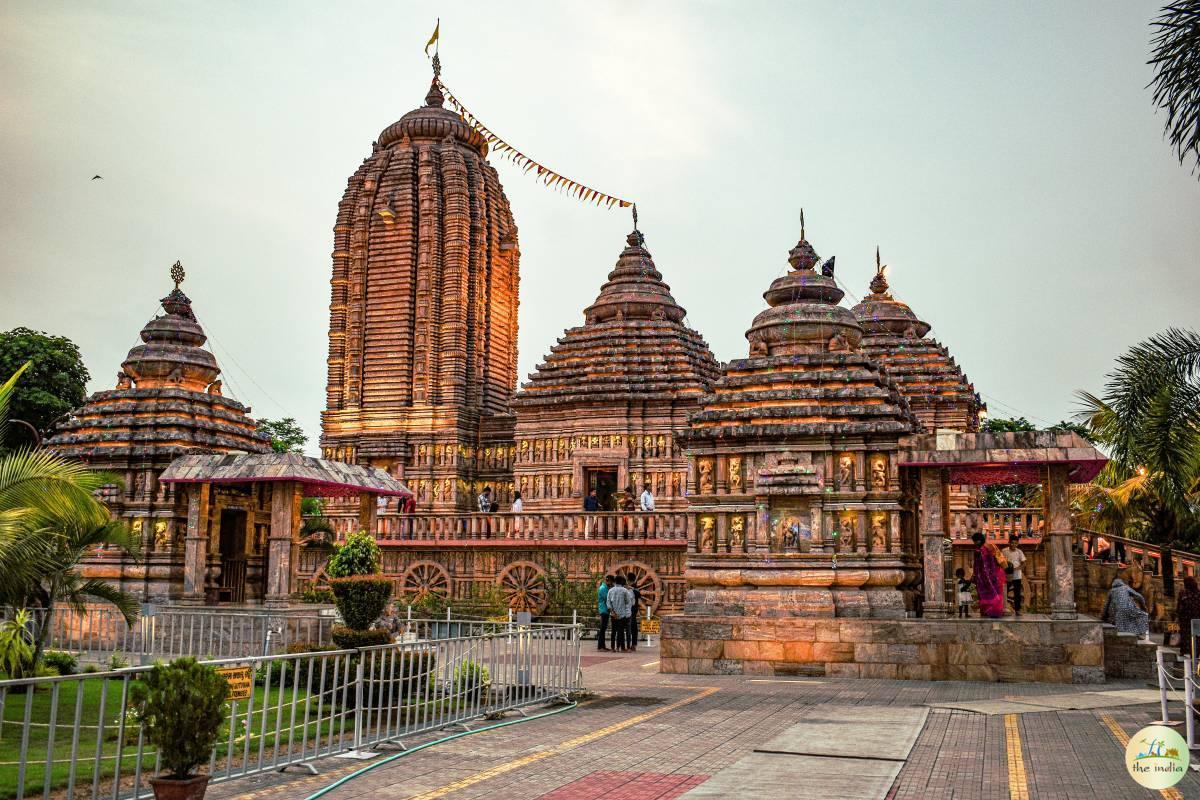
The Jagannath Temple in Puri, Odisha, is one of India's most important pilgrimage sites. It is famous for the annual Rath Yatra, during which the deities are taken out in grand chariots.
The temple is also associated with popular claims about its flag, architecture and religious customs. Some of these stories are repeated as mysteries, although they are not all supported by reliable scientific evidence.
Its well established traditions, especially Rath Yatra and the preparation of Mahaprasad, remain central to its spiritual importance.
9. Karni Mata Temple, Rajasthan: The Temple of Rats
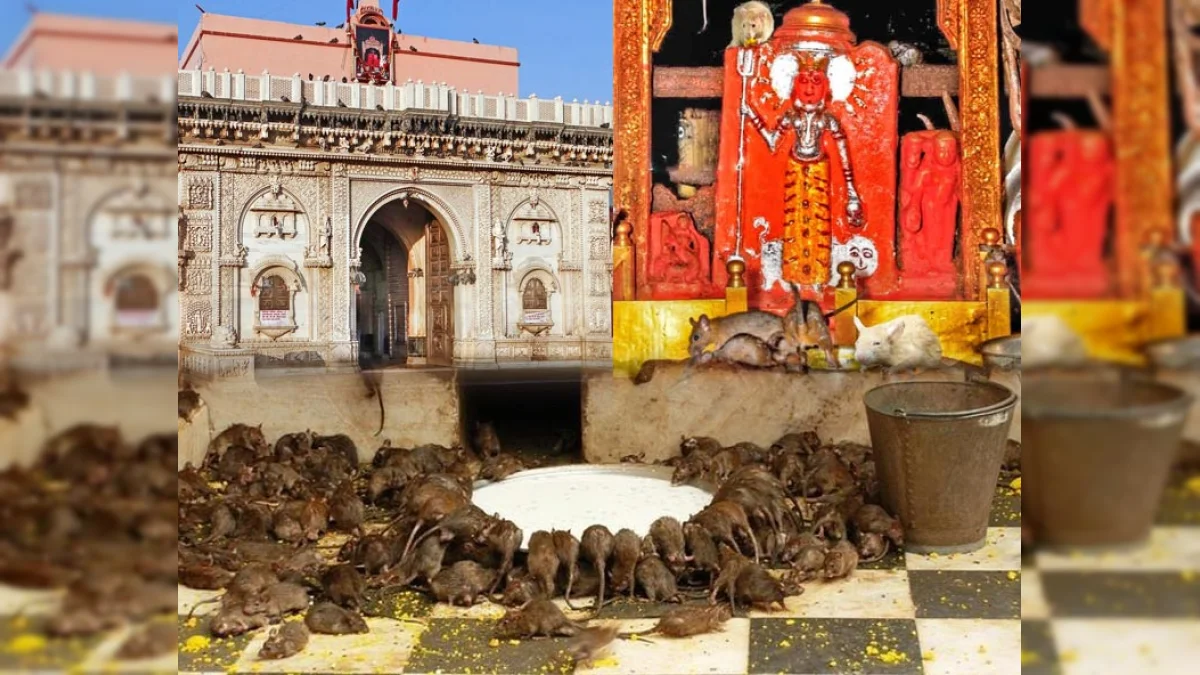
Karni Mata Temple in Deshnok, near Bikaner, is known for the thousands of rats that live inside the temple complex.
These rats are treated with reverence by devotees, who call them kabbas. Seeing a white rat is considered especially auspicious by some worshippers.
What might seem unusual to outsiders is an important expression of faith for devotees. The temple's customs are linked to local religious traditions and stories about Karni Mata.
10. Kedarnath Temple, Uttarakhand: The Shrine That Survived the 2013 Floods
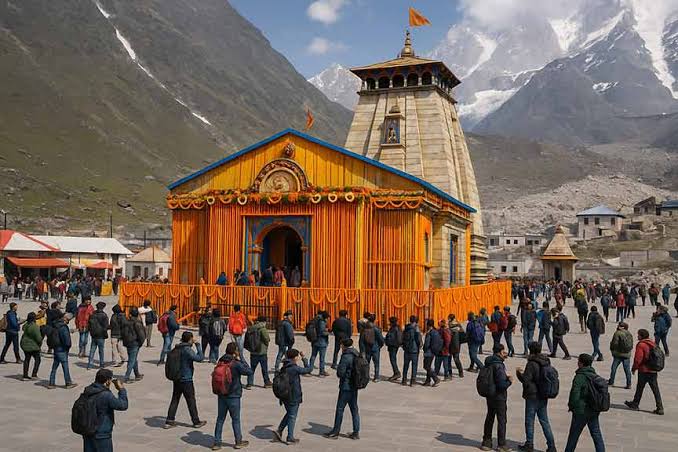
Kedarnath Temple, situated in the Himalayas, became the focus of national attention during the devastating floods of 2013.
Although the surrounding region suffered severe destruction, the ancient temple structure survived. A large boulder came to rest behind the temple and helped divert some of the force of the debris flow