


What Is a Credit Score?
A credit score is a three-digit number that summarises aspects of your credit history and helps lenders assess your creditworthiness. In India, one of the most widely known credit scores is the CIBIL Score, provided by TransUnion CIBIL. It ranges from 300 to 900, with a higher score generally indicating a stronger credit profile. Your credit history includes information such as loans, credit cards, repayment behaviour and credit enquiries. Banks and other financial institutions use credit reports and scores along with other information when evaluating applications for credit. It is important to remember that a credit score does not guarantee loan approval. The final lending decision is made by the lender after considering several factors..
Why Is Your Credit Score Important?

When you apply for a personal loan, home loan, car loan or credit card, lenders may review your credit history and score as part of their assessment. A stronger credit profile can improve your chances of being considered for credit. The Reserve Bank of India also notes that, all other things being equal, borrowers with higher credit scores may be able to access loans at more favourable interest rates..
Your credit score can therefore matter when you are:-
- Applying for a personal loan
- Applying for a home loan
- Financing a car or two-wheeler
- Applying for a new credit card
- Seeking a higher credit limit
- Planning a major financial purchase
However, lenders do not look at the score alone. Income, employment, existing debts, repayment capacity and the lender's own policies can also influence the decision..
What Is Considered a Good Credit Score?
CIBIL scores range from 300 to 900. Generally, a score closer to 900 represents a stronger credit profile and can improve the chances of your application being considered favourably. There is no universal score that guarantees approval because every lender has its own risk assessment criteria. Instead of focusing only on reaching a particular number, it is more useful to develop consistent credit habits: Pay on time. Borrow responsibly. Keep credit usage under control. Monitor your credit report. These habits can help build a healthier credit profile over time..
What Factors Affect Your Credit Score?
Your credit score is influenced by information contained in your credit report. Several aspects of your credit behaviour can affect your profile..
1. Payment History
One of the most important habits is paying your credit dues on time. Missed or late payments can negatively affect your credit history. CIBIL specifically recommends making payments on time as part of maintaining a healthy score. If you have multiple credit cards or loans, keeping track of different due dates becomes especially important. Setting up reminders or automatic payments can help reduce the risk of accidentally missing a payment..
2. Credit Utilisation

Credit utilisation refers to how much of your available revolving credit you are using. For example, if your credit card limit is ₹1 lakh and you regularly carry a balance of ₹80,000, your utilisation is relatively high. CIBIL recommends keeping credit balances under control rather than using excessive amounts of available credit. A high utilisation pattern can signal that you may be relying heavily on credit..
3. New Credit Applications

Applying for several loans or credit cards within a short period can result in multiple credit enquiries. CIBIL advises consumers to apply for new credit in moderation and avoid repeatedly seeking credit without a clear need. Before applying, compare your options and apply only when the credit is actually required..
4. Credit History
The length and quality of your credit history can also be relevant to your credit profile.A consistent record of responsibly managing credit gives lenders more information about your repayment behaviour. This is one reason why closing an old credit card should not automatically be treated as a way to improve your score. Consider the broader effect on your credit profile before closing an account..
5. Types of Credit

Your credit profile can contain different types of borrowing, such as secured loans and unsecured credit. CIBIL recommends maintaining a healthy mix of secured and unsecured credit rather than relying excessively on unsecured borrowing. However, this does not mean you should take a loan simply to create a credit mix. Borrow only when you genuinely need the credit and can comfortably manage the repayment..
6. Joint and Co-Signed Accounts
If you are a co-signer, guarantor or joint borrower, the repayment behaviour associated with that account can affect your credit profile. CIBIL advises consumers to monitor such accounts because missed payments by another person can also affect the associated borrowers or guarantors. This is an often-overlooked part of maintaining a healthy credit profile..
How to Improve Your Credit Score
If your score is lower than you would like, improving it usually requires consistent financial behaviour rather than a quick fix. Here are some practical steps..
Pay Every EMI and Credit Card Bill on Time
The first step is simple: avoid missed payments. Keep enough money available in your account before the due date and use reminders or automatic payment facilities where appropriate. If you already have overdue amounts, prioritising repayment can be an important first step towards rebuilding your credit history. CIBIL notes that even a low score can be rebuilt through improved credit behaviour over time..
Keep Your Credit Card Balances Under Control
Try not to rely heavily on your credit card limit. For example, having a ₹2 lakh limit does not mean you need to spend ₹2 lakh every month. Use credit according to your actual budget and ensure that your outstanding balance remains manageable..
Avoid Unnecessary Loan Applications
Do not apply for multiple loans or credit cards simply to see which one gets approved. Compare lenders and products first, understand the terms and then apply when necessary. A disciplined approach to new credit applications can help you avoid excessive credit enquiries..
Do Not Take Loans Just to Improve Your Score
There is a common misconception that taking more loans automatically improves a credit score. It does not. Credit should be used responsibly and only when there is a genuine financial need.
Taking unnecessary debt can increase your repayment burden and create financial stress..
Check Your Credit Report Regularly
Monitoring your credit report can help you identify incorrect information, unexpected accounts or suspicious activity. The RBI states that individuals are entitled to one free full credit report, including the credit score, once in a calendar year from credit information companies. Checking your report can therefore be a useful part of financial planning..
Dispute Incorrect Information
Sometimes a credit report may contain inaccurate or outdated information. For example, you might find an account that does not belong to you, an incorrect outstanding amount or a payment incorrectly reported as overdue. If you identify an error, you can request correction from the relevant credit information company or financial institution. The RBI advises consumers to seek correction of inaccuracies in their credit information report. If a complaint remains unresolved for more than 30 days or the consumer is dissatisfied with the resolution, the RBI's complaint mechanism may be available..
Be Careful With Co-Signed Loans
Before becoming a guarantor or co-signer, understand the financial responsibility involved. If the primary borrower fails to make repayments, the consequences can extend to the co-signer or guarantor. Do not agree to such arrangements casually, even if the borrower is a close friend or family member..
How Long Does It Take to Improve a Credit Score?
There is no fixed number of days or months in which everyone's credit score will improve. Your score reflects your credit history, so rebuilding a damaged profile generally requires consistent positive behaviour over time. If you have missed payments in the past, simply paying one bill on time will not instantly erase that history.. The practical approach is to continue paying dues on time, reduce excessive balances, avoid unnecessary credit applications and monitor your report.
Over time, new positive repayment information can strengthen your overall credit profile..
What If You Have No Credit History?
Someone who has never borrowed money or used a credit card may have limited credit information. CIBIL refers to this situation as a "No Hit" when there is not enough credit activity to generate a CIBIL Score and Report. Having no credit history is different from having a poor credit history. If you are new to credit, the key is to start cautiously rather than taking on unnecessary debt. A small, manageable credit product used responsibly can help establish a repayment history, but the decision should be based on your actual financial needs..
Common Credit Score Mistakes to Avoid

Several everyday mistakes can hurt your credit profile..
Missing credit card or EMI payments:- Even an occasional missed payment can affect your credit history.
Using too much of your available credit:- High balances can indicate heavy reliance on credit.
Applying for too many loans: Multiple credit applications in a short period can create several enquiries.
Ignoring your credit report:- Errors or unfamiliar accounts can remain unnoticed if you never check your report.
Co-signing without understanding the risk:- Another person's repayment behaviour can have consequences for your credit profile.
Taking unnecessary loans:- Borrowing money purely to improve a credit score can create more financial problems than benefits..
Credit Score vs Credit Report
A credit score and credit report are not the same thing. Your credit score is a numerical summary of your credit history. Your credit report contains more detailed information about your credit accounts and repayment history, along with credit enquiries and other relevant information. Think of the score as a quick snapshot and the report as the detailed record behind that snapshot. Reviewing both can give you a better understanding of your overall credit profile..
Does Checking Your Own Credit Score Reduce It?
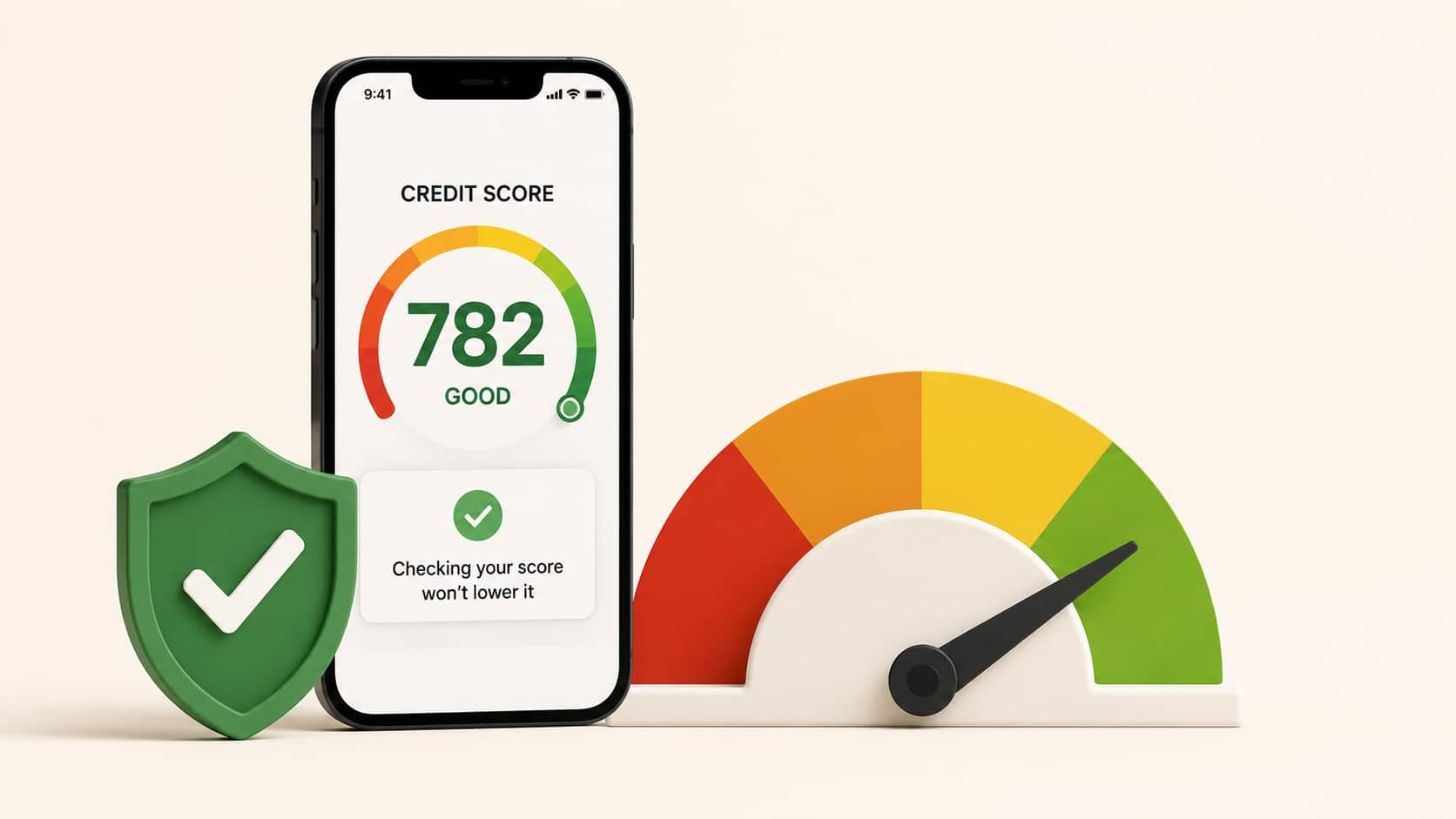
Checking your own credit information for monitoring purposes is different from repeatedly applying for new credit. The important distinction is between self-monitoring and lender-initiated credit enquiries associated with applications. Regularly reviewing your own credit report can help you identify mistakes and stay aware of your financial profile..
A Simple Credit Health Routine
You do not need a complicated system to manage your credit.
A simple monthly routine can help:-
Step 1: Check upcoming EMI and credit card due dates.
Step 2: Make sure sufficient funds are available for payments.
Step 3: Review your credit card balances and spending.
Step 4: Avoid unnecessary new loan or credit card applications.
Step 5: Review your credit report periodically.
Step 6: Report any unfamiliar or incorrect information promptly.
Small habits repeated consistently can make a significant difference to your long-term financial health..