


The Reserve Bank of India has raised its benchmark repo rate by 25 basis points to 5.50%, marking its first rate increase since February 2023. The decision signals a shift in the central bank's approach as inflation risks rise amid higher crude oil prices, geopolitical tensions and a weaker rupee. The six-member Monetary Policy Committee voted unanimously for the increase and changed its policy stance from neutral to calibrated tightening. That shift is important because it leaves the door open for further action if inflationary pressures continue. The rate decision has already been felt across financial markets. Indian equities remained under pressure on October 8, while Brent crude moved above $100 a barrel as concerns over global energy supplies continued..
Why Did the RBI Raise the Repo Rate?
The RBI's decision comes at a time when inflation risks are becoming more difficult to ignore. Higher crude oil prices are a major concern for India because the country imports a large share of its crude requirements. When international oil prices rise, the impact can spread across transportation, manufacturing, logistics and consumer prices. The central bank is also watching food prices and weather-related risks. Reuters reported that India's consumer inflation was expected to accelerate in September, driven partly by food and energy pressures. The geopolitical situation has added another layer of uncertainty, with tensions in West Asia pushing energy prices higher. At the same time, India's economic growth has remained relatively strong. The RBI raised its FY27 real GDP growth forecast to 7.1% from 6.7%, suggesting that policymakers see enough economic momentum to give greater priority to controlling inflation risks..
Stock Market Feels the Pressure

The immediate market reaction has been cautious. On October 8, the Nifty 50 fell 0.54% to 22,482.1, while the Sensex declined 0.48% to 72,290.77 around 9:57 a.m. IST, according to Reuters. Fourteen of the 16 major sectors were trading lower, while the broader mid-cap and small-cap indices also came under pressure. The weakness followed the previous session's decline after the RBI announced the rate increase. A higher interest-rate environment can affect stock valuations because borrowing becomes more expensive and the relative attractiveness of fixed-income investments can change. Companies that depend heavily on borrowing may also face higher financing costs. However, the impact is unlikely to be identical across every sector. The market reaction will also depend on corporate earnings, crude oil prices, foreign investment flows and global interest rates..
Brent Crude Moves Above $100

Another major factor worrying investors is oil. Brent crude jumped 2.2% to around $102.5 a barrel as concerns over Middle East supplies increased amid attacks on shipping and risks around the Strait of Hormuz. For India, expensive crude can create pressure on the country's import bill and inflation outlook. If oil remains elevated for a prolonged period, sectors such as aviation, transportation, chemicals and other oil-dependent industries could face higher input costs.
For consumers, sustained increases in energy costs can eventually influence the prices of goods and services..
What Does the Rate Hike Mean for Home Loans and EMIs?

For borrowers, this is one of the most important consequences of the RBI's decision. Banks and financial institutions may revise lending rates linked to external benchmarks or the repo rate. When lending rates rise, borrowers with floating-rate loans can see their interest burden increase. Several major banks have already raised repo-linked lending rates following the RBI's latest decision, according to the Economic Times. For a home-loan borrower, the actual impact will depend on the loan amount, remaining tenure, interest-rate structure and the lender's revised rate. A higher rate does not necessarily mean every borrower's EMI will immediately jump by the same amount. In some cases, the lender may adjust the loan tenure instead..
What About Fixed Deposits and Savings?

The impact on savers can be different. When interest rates move higher, banks may eventually increase deposit rates to attract funds, although the timing and extent vary between banks and products. This could be positive for people who rely on fixed deposits or other interest-bearing savings products. However, deposit rates do not automatically rise by the same amount as the RBI's repo rate. Banks make their own pricing decisions based on liquidity, competition and funding requirements..
Why the RBI's Policy Stance Matters
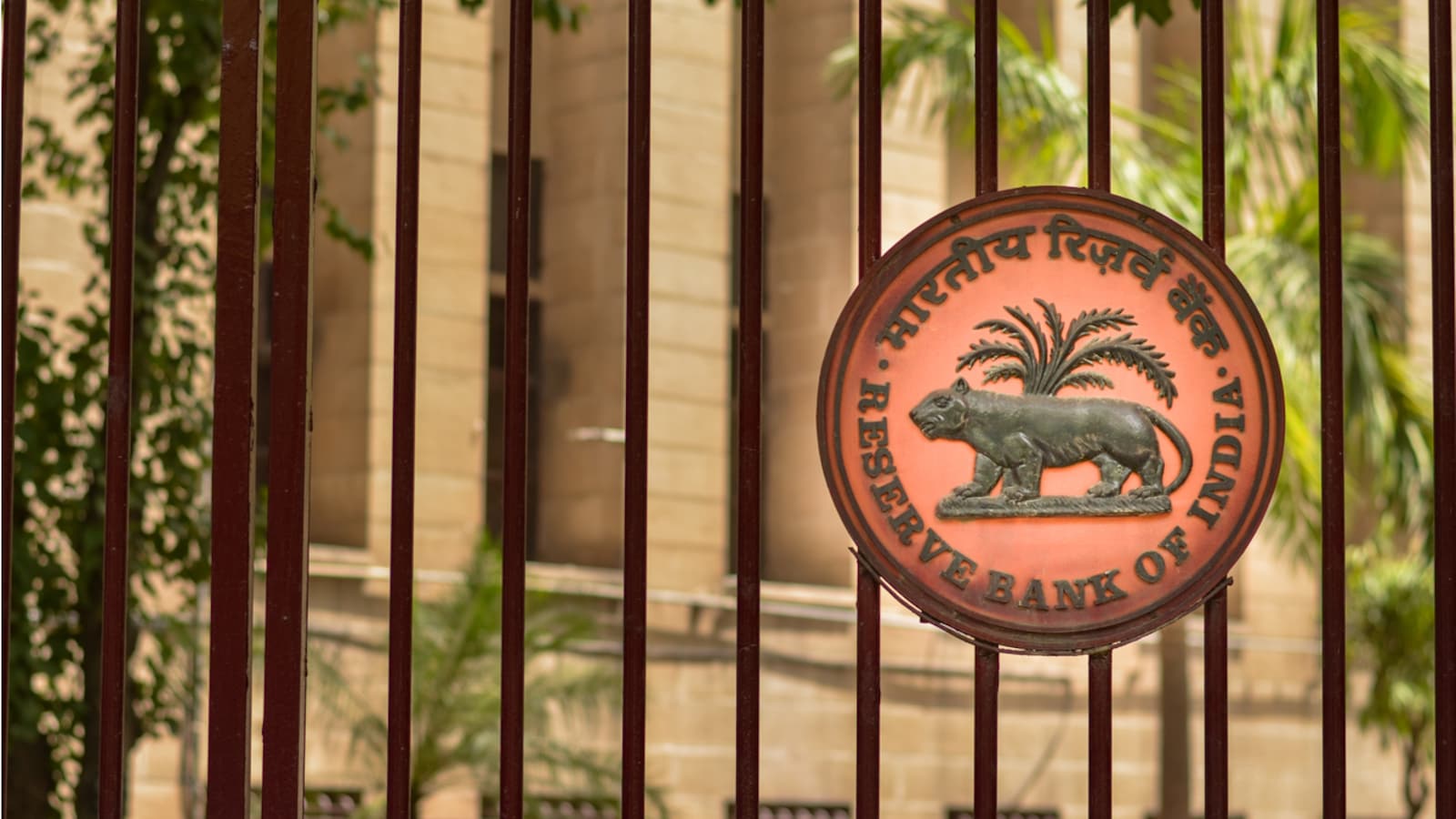
The repo-rate increase itself is important, but the change in policy stance could be equally significant. The RBI moved from a neutral stance to calibrated tightening, signalling that policymakers are now more focused on managing inflation risks. That does not mean another rate hike is guaranteed. Future decisions will depend on incoming inflation, growth, crude oil prices, currency movements and global economic conditions. Markets are therefore likely to pay close attention to upcoming inflation and economic data..
Strong Growth Gives RBI More Room to Focus on Inflation

One of the interesting aspects of the latest policy decision is that the RBI raised its growth forecast at the same time as increasing interest rates. The central bank now expects India's real GDP growth for FY27 at 7.1%, up from its earlier projection of 6.7%. That suggests the RBI believes economic activity remains resilient despite external risks. Services activity, manufacturing and domestic demand have continued to support the economy, according to the central bank's assessment reported by the Economic Times. The challenge now is to keep that growth momentum intact while preventing temporary inflation pressures from becoming persistent..
What Should Consumers and Investors Watch Next?
The RBI's latest decision is unlikely to be viewed in isolation.
Investors and consumers will be watching several factors over the coming weeks:
- Inflation: Whether food and energy prices continue to rise.
- Crude oil: Whether Brent crude remains above $100 a barrel.
- Rupee: Currency movements can affect the cost of imported commodities.
- Interest rates: Whether banks continue to increase lending and deposit rates.
- Corporate earnings: Higher borrowing and input costs could affect company profitability.
- Global markets: US interest rates, bond yields and geopolitical developments could influence foreign investor flows.
These factors will help determine whether the latest rate hike remains a one-time adjustment or becomes part of a broader tightening cycle..
The RBI's 25-basis-point rate hike is more than just a change in the headline interest rate.
It comes at a time when India is facing a combination of higher oil prices, inflation risks, global uncertainty and currency pressure, even as domestic economic growth remains strong.
For borrowers, the immediate concern is the possibility of higher lending costs. For savers, higher deposit rates could eventually provide some benefit. For investors, the focus will remain on inflation, crude oil, earnings and the possibility of further monetary tightening.
For now, the RBI has made its priority clear: inflation risks are back on the policy radar, and interest rates could remain an important factor for Indian markets and households in the months ahead..