


Have you ever noticed that many devotees visiting Khatu Shyam Ji write their wishes with a red pen, attach the written prayer to a coconut and wrap it in a red cloth or chunri? For many Shyam devotees, this is not just a ritual. It is a personal way of sharing their worries, hopes and deepest wishes with Baba..
But why a red pen specifically? Why is a coconut offered with the prayer? And what is the significance of tying a red cloth around it?These practices are rooted in religious symbolism and popular devotional traditions. While devotees follow them with deep faith, it is important to understand that the exact method is not necessarily a compulsory rule for every worshipper..
1. Why Do Devotees Write Their Arzi to Khatu Shyam Ji With a Red Pen?

An arzi is a written prayer or request addressed to Baba Shyam. Devotees may write about a personal difficulty, a family concern, a career goal or something they hope to overcome..According to a popular practice described in reports about Khatu Shyam Ji, devotees take a clean sheet of paper and use a new red pen to write “Shri Shyam” at the top, followed by their prayer and name. Some then attach the paper to a dry coconut using a sacred thread..
What does the red pen symbolise?

Red is a prominent colour in many Hindu religious traditions. It is commonly associated with auspiciousness, energy, devotion and celebration. In the context of a Shyam arzi, devotees may therefore choose red ink as a symbolic expression of faith and sincerity.
Writing a prayer also allows a devotee to put feelings into words. Sometimes people find it difficult to explain their worries aloud, especially when they feel emotionally overwhelmed. Writing an arzi gives them a way to express what is in their heart..However, there is no established scientific evidence that red ink makes a prayer more powerful than another colour of ink. Nor should red ink be presented as a universally mandatory rule for worshipping Baba Shyam. It is a devotional custom followed by many devotees..
2. Why Do Devotees Write Their Wishes on Paper Instead of Simply Praying?
For many devotees, writing an arzi is a personal form of prayer. A person may write about a job, a family problem, a relationship, financial worries or a wish for peace of mind..When devotees visit a temple, the atmosphere and their emotions can make it difficult to say everything they wanted to express. A written prayer offers another way to communicate their feelings..
The important part of this practice is the intention behind it. The paper becomes a symbolic way of placing one's worries and hopes before Baba Shyam..Some devotees believe that Baba understands their pain even without words. The arzi is their way of expressing that faith..It is a matter of religious belief, not a guarantee that every written wish will be fulfilled exactly as requested..
3. Why Is a Coconut Attached to the Arzi?
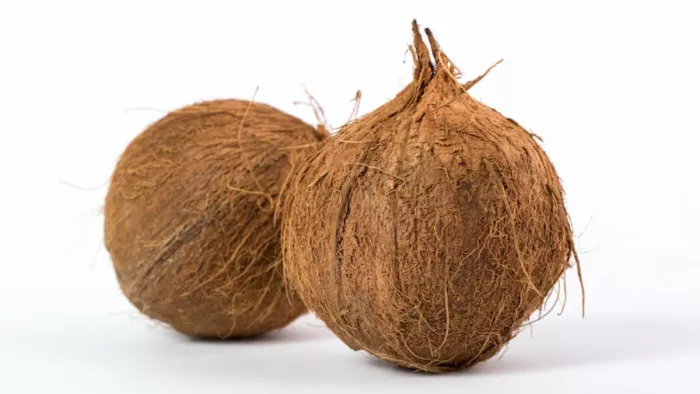
The coconut, often called Shrifal in religious contexts, is widely used as an offering in Hindu worship. It is associated with auspicious beginnings, devotion and the act of offering something with respect..
In the Khatu Shyam arzi tradition, devotees may tie their written prayer to a dry coconut and secure it with a sacred thread. The combination of the prayer and the offering represents the devotee's request and their act of surrendering that request to Baba..The coconut is therefore not merely a decorative item. It forms part of a familiar Hindu offering tradition..Some devotees also interpret the offering as a reminder to place their worries before God instead of carrying every burden alone. That is a personal spiritual interpretation rather than a guaranteed outcome of the ritual..
4. Why Is the Coconut Wrapped in Red Cloth or a Red Chunri?
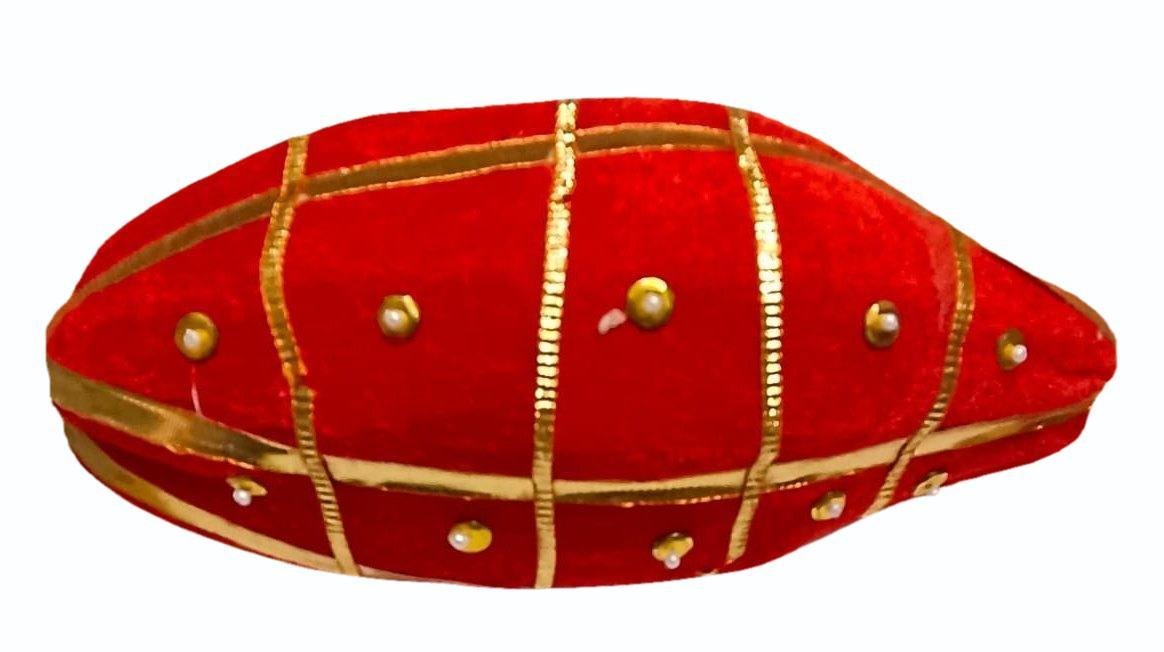
One of the most recognisable features of this practice is the red cloth or chunri tied around the coconut.Red has strong cultural and religious associations in Hindu traditions. It is frequently used in worship, festive ceremonies and offerings. Depending on the tradition, it may represent auspiciousness, devotion, energy or respect.
When devotees wrap the coconut and arzi in red cloth, the cloth becomes part of the offering. It gives the prayer a distinct devotional form and reflects the devotee's reverence for Baba Shyam..Reports about the practice at Khatu Shyam Ji describe devotees writing their wishes on paper, tying the prayer to a coconut and wrapping or securing the offering with red cloth. Read more in "NDTV Rajasthan's report on the red-cloth coconut tradition at Khatu Shyam Ji"
There is, however, no reliable basis for claiming that a red cloth automatically causes a wish to come true. Its significance lies in the custom and the faith with which the devotee makes the offering..
5. Why Do Devotees Tie the Arzi With a Sacred Thread?
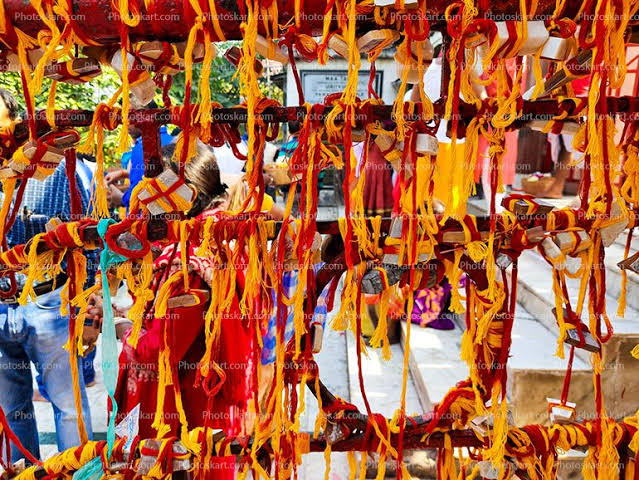
A sacred thread, often called mauli or kalawa, is used in many Hindu rituals. It can symbolise a religious commitment, a prayer or a connection with a sacred ceremony.In the Khatu Shyam arzi custom, devotees may use it to secure the written prayer to the coconut. This keeps the items together as one offering..
The exact method differs among devotees and local practices. Some use a red cloth, some use a sacred thread, and others simply offer a prayer in their own way..The central idea is to express devotion and place one's concerns before Baba Shyam..
6. What Should You Write in a Khatu Shyam Ji Arzi?
If you wish to write an arzi, you can keep it simple and sincere. There is no need to use elaborate language..
You may begin by writing “Shri Shyam” and then state your prayer respectfully. You can mention your name and describe the concern or hope you wish to pray about..
For example:
“Jai Shri Shyam. Baba, please give me strength to face the difficulties in my life. Guide me towards the right decisions, give me courage to work honestly towards my goals and bless my family with peace and good health.”.
You can write in Hindi, English or the language in which you can express yourself most naturally..Remember that this is an example of a personal prayer, not an officially prescribed format. If you plan to offer an arzi or coconut at the temple, follow the current instructions provided by temple authorities and avoid tying offerings to trees, railings or public property unless specifically permitted..
7. Is It Compulsory to Use a Red Pen and Red Cloth?
No. The red-pen arzi and red-cloth coconut are popular devotional practices, but they should not be confused with a universally compulsory rule..A devotee can pray to Baba Shyam through darshan, bhajan, naam-jap or a personal prayer. The red pen and cloth provide a familiar form for devotees who prefer the written-arzi tradition..For many people, the meaning lies in the faith, honesty and hope with which they pray—not simply in the colour of the ink or the material wrapped around the coconut..