


The third day of Sharad Navratri is dedicated to Maa Chandraghanta, the third form of Goddess Durga. She is worshipped as a symbol of courage, strength, peace and protection. Her appearance is powerful, yet she is also associated with compassion and the well-being of her devotees..In 2026, the third day of Sharad Navratri falls on Tuesday, October 13. Devotees worship Maa Chandraghanta to seek blessings, cultivate inner strength and remember the importance of facing difficulties with courage and a calm mind.
Who Is Maa Chandraghanta?
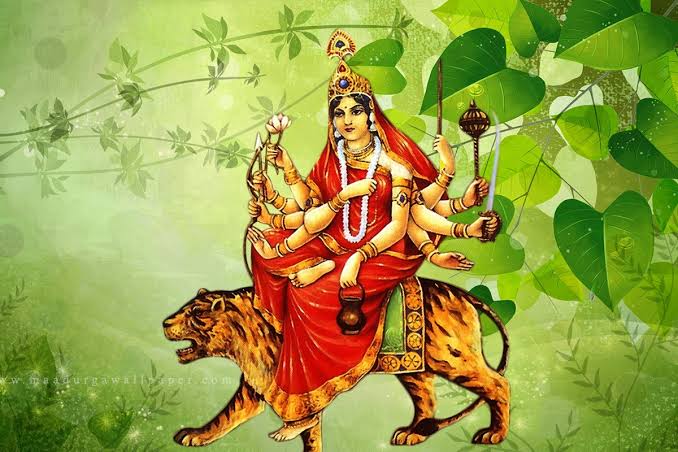
Maa Chandraghanta is the married form of Goddess Parvati in her divine warrior aspect. According to Hindu tradition, after her marriage to Lord Shiva, Goddess Parvati adorned her forehead with a crescent moon. The moon resembles a bell, or ghanta, which gives the goddess her name: Chandra means moon and Ghanta means bell.
Maa Chandraghanta is commonly depicted riding a tiger or tigress, with ten hands carrying different weapons and sacred objects. Her appearance represents readiness to fight evil and protect righteousness. At the same time, her peaceful expression reflects grace and compassion.
Her form conveys an important spiritual message: true strength is not only about fighting challenges but also about maintaining balance and courage while facing them.
Why Is Maa Chandraghanta Worshipped on Navratri Day 3?
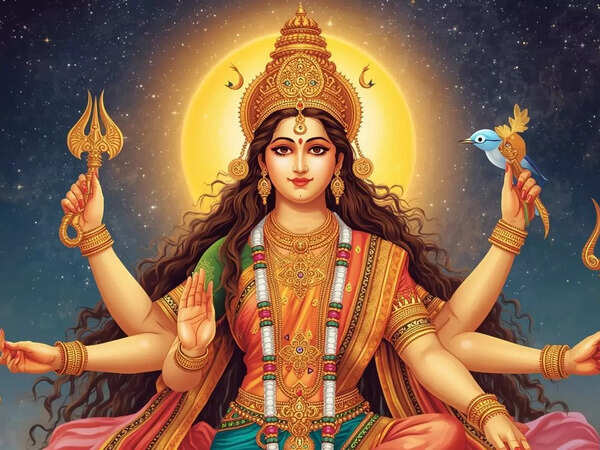
Each of the nine days of Navratri is traditionally associated with a different form of Goddess Durga. The third day is dedicated to Maa Chandraghanta in the Navadurga tradition.
Devotees believe that worshipping her represents a prayer for courage, confidence, peace and protection from negativity. Her warrior form reminds worshippers to stand against injustice while remaining disciplined and thoughtful.
For many devotees, this day is also an opportunity to reflect on fear, anger and difficult situations and to approach them with greater patience and determination.
Maa Chandraghanta Puja Vidhi at Home
Devotees can worship Maa Chandraghanta at home by following their family's customary rituals. A simple traditional puja can include these steps:
1. Clean the puja area: Begin the day with a bath and prepare a clean space for worship. Place the idol or picture of Maa Chandraghanta on the puja altar.
2. Light a diya: Light a lamp and offer prayers to Maa Durga. If you maintain an akhand jyoti, follow your family's customary safety precautions.
3. Offer flowers: Offer fresh flowers, such as jasmine, if available. Jasmine is traditionally associated with Maa Chandraghanta in many descriptions of her worship.
4. Apply tilak and offer bhog: Make offerings according to your family's tradition. Fruits, sweets and other suitable prasad may be offered with devotion.
5. Chant the mantra: Recite Maa Chandraghanta's mantra with concentration. You may also read a Durga stuti or listen to devotional prayers.
6. Perform aarti: Conclude the puja with Maa Durga's aarti and pray for courage, peace and well-being for your family.
You do not need elaborate arrangements to offer a sincere prayer. Follow the customs you observe at home and consult a trusted priest if you need guidance about a specific ritual.
Maa Chandraghanta Mantra
The following mantra is traditionally recited while worshipping the goddess:
ॐ देवी चन्द्रघण्टायै नमः॥
Om Devi Chandraghantayai Namah.
Devotees may chant it repeatedly according to their personal practice, focusing on devotion and a peaceful mind..
What Bhog Is Offered to Maa Chandraghanta?
Devotees offer different foods to Maa Chandraghanta according to family customs and regional traditions. Milk-based sweets, kheer, fruits and other vegetarian prasad are common choices in many Navratri households..Jasmine flowers are also associated with her worship. Offerings should be prepared cleanly and according to the customs followed by your family or temple..If you are observing a fast, choose foods that comply with your own fasting tradition and dietary needs. There is no need to prepare an elaborate spread to participate in the day's worship.
Which Colour Is Associated with Navratri Day 3?
Grey is commonly associated with the third day of Navratri in the day-wise colour sequence published by Incredible India. The colour is often interpreted as representing balance, composure and the ability to remain steady through challenges..However, Navratri colour traditions can differ by region, calendar and local custom. If your family or temple follows a different colour sequence, you can continue with that tradition..
The Spiritual Significance of Maa Chandraghanta
Maa Chandraghanta's form combines a warrior's determination with a peaceful and compassionate presence. Her weapons represent readiness to confront harmful forces, while the crescent moon and bell symbolism are associated with her distinctive divine identity..For devotees, her worship is a reminder that courage does not have to mean aggression. It can also mean speaking up for what is right, protecting others, controlling anger and dealing with difficult circumstances without losing one's sense of balance..On the third day of Navratri, devotees can reflect on one simple question: how can we become stronger without losing kindness and patience?