


In many Shiva temples, devotees worship the Shivling by offering water, milk, flowers and bel leaves. But a question often arises: Why are some women told not to touch the Shivling? Is it a religious rule, an ancient tradition or a belief followed only in certain temples?Another question is about Aghoris, the ascetics associated with intense spiritual practices, cremation grounds and forms of Shiva worship that may seem unusual to ordinary people. Why do Aghoris follow these practices, and should everyone try to imitate them?To understand these questions, it is important to distinguish between religious traditions, temple-specific rules and beliefs that are not universally accepted..
1. Why Are Some Women Told Not to Touch the Shivling?
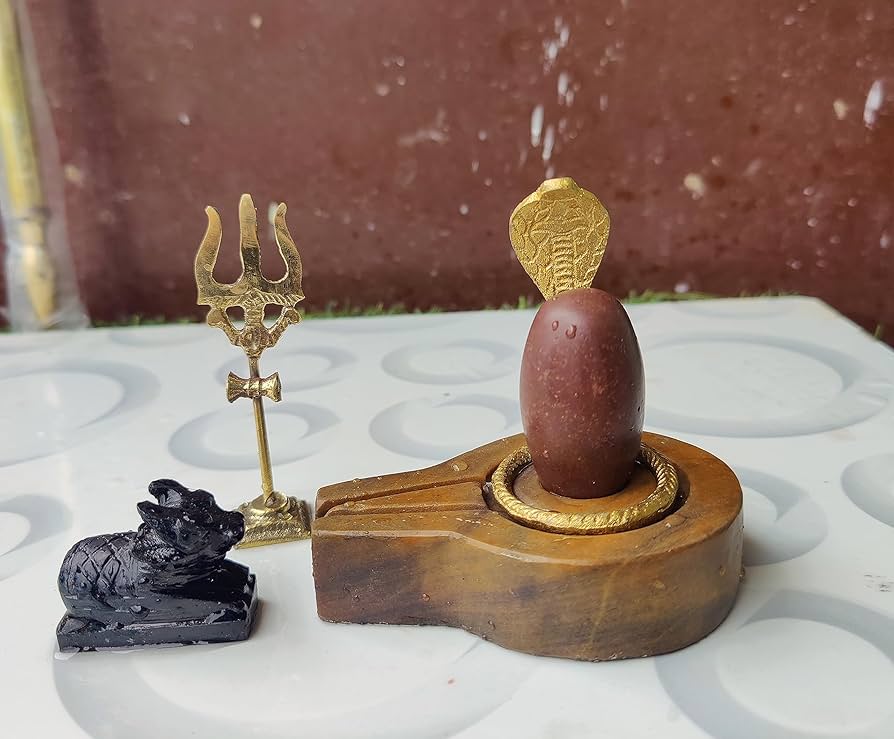
There is no single rule followed by every Shiva temple in India that prohibits all women from touching the Shivling. Worship practices differ from temple to temple, and some temples allow devotees of all genders to perform Abhishek, while others follow specific restrictions.
One reason sometimes given for restrictions is the traditional understanding of menstruation. In some Hindu communities, menstruating women are asked to refrain from certain forms of ritual worship. These customs are connected to particular interpretations of ritual purity and religious discipline. However, they are not understood or practised uniformly across Hindu traditions.
It is therefore inaccurate to claim that Hinduism universally prohibits women from touching the Shivling simply because they are women.
2. Does Menstruation Make a Woman Impure Before Lord Shiva?
This is a question that deserves a careful answer. Menstruation is a natural biological process, not an illness or a moral failing.
Some religious traditions prescribe restrictions on ritual participation during menstruation, while others interpret worship more inclusively. These differences reflect variations in customs, religious interpretations and temple practices.
There is no universal basis for claiming that Lord Shiva rejects women during menstruation. Devotion is understood differently across Hindu traditions, and many devotees believe that sincere prayer does not depend solely on performing a particular physical ritual.
Women should check the customs of the temple they plan to visit, while remembering that a local custom should not automatically be presented as a rule followed by all Hindus.
3. Why Do Some Temples Restrict Who Can Perform Shivling Abhishek?
In certain temples, the right to perform Abhishek may depend on temple rules, priestly traditions, the type of ritual or the method of worship followed there.
For example, some temples organise specific rituals through priests, while others allow devotees to pour water or offer flowers themselves. Some follow strict procedures for touching the deity or sanctum, and these procedures may apply to men and women differently.
Such restrictions are temple-specific. They should not be confused with a universal religious prohibition against women worshipping Lord Shiva.
4. Who Are Aghoris, and Why Is Their Shiva Sadhana Different?
Aghoris are a small ascetic tradition associated with intense forms of Shaiva spirituality. Their practices are often linked with overcoming fear, confronting attachment and reflecting on the temporary nature of the physical body.
Some Aghori traditions use cremation-ground symbolism and rituals that challenge ordinary social ideas about purity and impurity. These practices have their own religious and philosophical context; they are not simply acts performed to appear mysterious or frightening.
Aghori traditions are diverse, and outsiders often misunderstand them through sensational stories. Not every ascetic who worships Shiva is an Aghori, and not every practice attributed to Aghoris is followed by every member of the tradition.
5. Why Do Aghoris Visit Cremation Grounds?
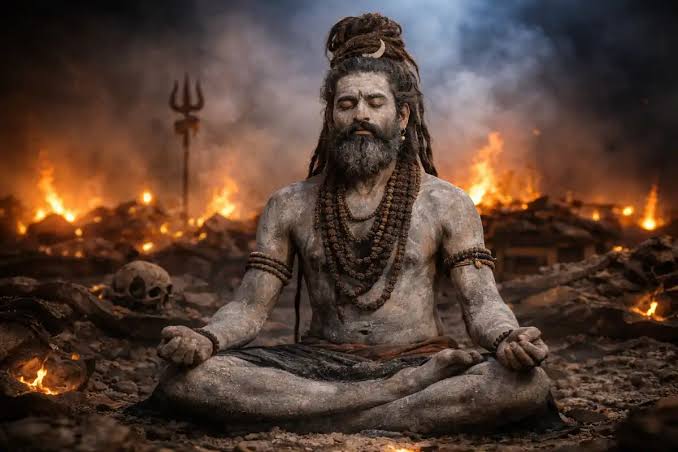
Cremation grounds are significant in certain forms of Shaiva and tantric practice because they represent death, impermanence and the limits of worldly attachment.
In this spiritual framework, confronting the reality of death may be understood as a way to reduce fear and ego. The symbolism is not necessarily about worshipping death itself; it is about recognising that the body and worldly possessions are temporary.
However, cremation-ground practices are associated with particular ascetic traditions. They are not a requirement for ordinary Shiva devotees.
6. What Is Shiva Sadhana, and Why Should Beginners Be Careful?

Shiva Sadhana can refer to many forms of spiritual practice, including meditation, mantra recitation, prayer, fasting and ritual worship. The word does not describe one single practice.
Some tantric rituals involve specialised initiation, strict observances and guidance from an experienced teacher within a recognised tradition. They may not be appropriate for someone who has only encountered them through social media videos or dramatic online stories.
Claims that a particular ritual automatically grants supernatural powers, control over other people or guaranteed results should be treated cautiously. Spiritual practices should never be used as an excuse to harm oneself or others, violate consent or put anyone in danger.
For ordinary devotees, simple practices such as chanting “Om Namah Shivaya,” meditating peacefully, offering water where permitted and studying Shiva-related scriptures can be meaningful ways to deepen their devotion.
7. Can Ordinary Devotees Practise Aghori Rituals at Home?
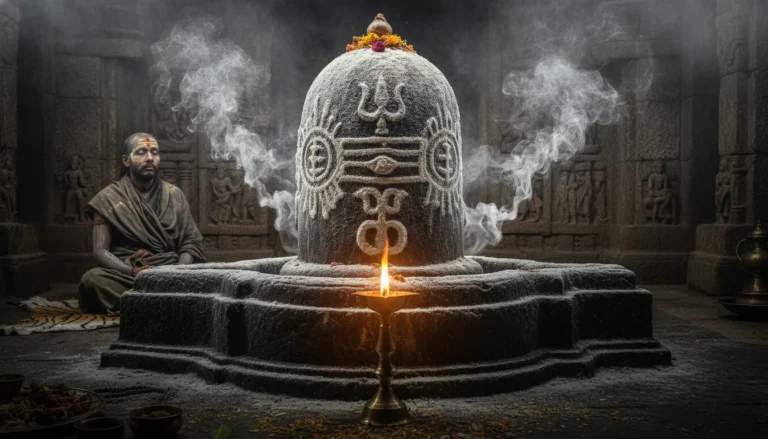
It is not advisable to imitate unfamiliar or potentially dangerous rituals based on online videos. Some practices may require specialised training, and sensationalised versions found online may not accurately represent the traditionAvoid practices involving self-injury, dangerous substances, fire hazards, unsafe handling of remains or pressure to obey someone claiming supernatural authority. A spiritual teacher should never demand harmful acts, money under threats or sexual contact as a condition of spiritual progress..People interested in Aghori philosophy can begin by studying reliable material on Shaivism, learning about the historical context and speaking with knowledgeable practitioners who respect personal safety and consent..