


New Zealand have made some significant changes to their ODI plans for the upcoming home series against India, with Rachin Ravindra returning from injury and three familiar white-ball names — Finn Allen, Lockie Ferguson and Tim Seifert — brought back into the ODI setup. The five-match ODI series will begin on November 4 at Eden Park in Auckland, following India's five-match T20I series against New Zealand. The ODI leg is particularly important for the hosts as they continue preparations for the 2027 ODI World Cup, which is now less than a year away. Rather than selecting one squad for all five matches, New Zealand have opted for two separate ODI groups. The first squad will cover the opening three games, while a group of seven additional players will join for the final two matches..
Rachin Ravindra Returns After Shoulder Injury
The biggest positive for New Zealand is the return of Rachin Ravindra. The all-rounder had suffered a right shoulder dislocation during a promotional shoot in Auckland in September. The injury ruled him out of New Zealand's upcoming five-match T20I series against India, with the team taking a cautious approach to his rehabilitation. Ravindra has now been included in the squad for the first three ODIs. His return is significant because he gives New Zealand another left-handed batting option while also providing a valuable spin-bowling option. His ability to contribute in both departments makes him an important part of the Black Caps' long-term white-ball plans. New Zealand head coach Rob Walter had earlier stressed that the team did not want to rush Ravindra back from injury. His selection for the ODI series suggests that the management believes he has made sufficient progress in his recovery..
New Zealand Announce Two Different ODI Squads
The unusual feature of the selection is the decision to divide the five-match series into two squads. For the first three ODIs, New Zealand have selected:-
Mitchell Santner (captain), Michael Bracewell, Mark Chapman, Devon Conway, Jacob Duffy, Matt Henry, Kyle Jamieson, Tom Latham, Daryl Mitchell, Glenn Phillips, Rachin Ravindra, Nathan Smith, Will Young and Blair Tickner..
For the fourth and fifth ODIs, the squad includes:-
Mitchell Santner (captain), Finn Allen, Michael Bracewell, Mark Chapman, Kristian Clarke, Jacob Duffy, Matt Fisher, Lockie Ferguson, Mitch Hay, Nick Kelly, Tim Seifert, Blair Tickner and Will Young.
Only six players — Mitchell Santner, Michael Bracewell, Mark Chapman, Jacob Duffy, Will Young and Blair Tickner — are available across all five matches.
Finn Allen, Lockie Ferguson and Tim Seifert Make ODI Comebacks

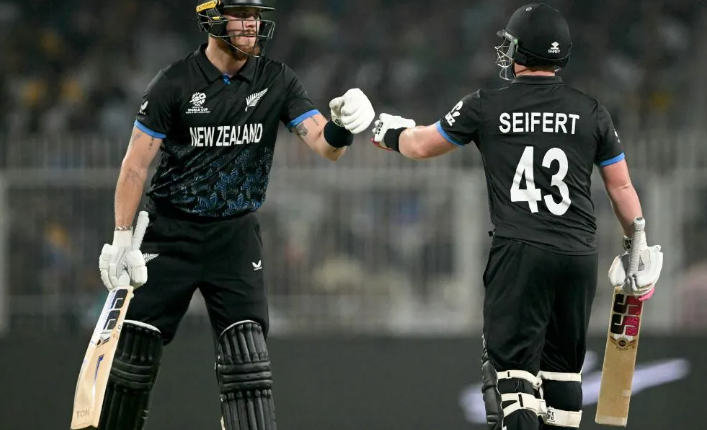
The final two matches could have a very different look, with Finn Allen, Lockie Ferguson and Tim Seifert returning to the ODI setup. Allen and Ferguson last played an ODI for New Zealand in 2023. Ferguson's most recent ODI appearance was particularly memorable because it came against India in the 2023 World Cup semi-final in Mumbai. Seifert's last ODI appearance came around 18 months ago during New Zealand's home series against Pakistan. Their inclusion gives New Zealand additional options in the final part of the series. Allen brings an aggressive batting approach at the top of the order, while Ferguson provides experience and pace. Seifert, meanwhile, adds another wicketkeeping and batting option. For the returning players, the series could also become an opportunity to strengthen their claims ahead of the 2027 World Cup..
Why Has New Zealand Split the Squad?
The main reason is workload management and the team's busy international schedule. After the third ODI, several New Zealand players will begin preparations for the upcoming Test series against India. The first Test is scheduled to begin in Wellington on November 19. As a result, seven additional players will join the ODI group for the final two matches, allowing the Test regulars to prepare for the longer format while giving other players an opportunity to perform in the ODIs. It is therefore less about weakening the team and more about managing two important international commitments at the same time..
2027 World Cup Preparation Is a Major Focus
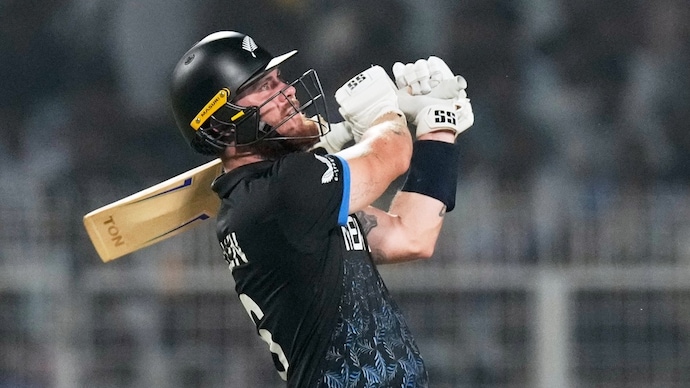
The ODI series comes at an important point in New Zealand's preparations for the next World Cup. The 2027 ODI World Cup is scheduled to be played in South Africa, Namibia and Zimbabwe. With the tournament less than a year away, New Zealand's selectors need to establish their preferred combinations while also identifying players who can provide depth. Rob Walter has described the India series as valuable preparation for the World Cup. The decision to bring seven additional players into the final two ODIs will allow the coaching staff to assess their options against a strong Indian side. That makes the five-match series important beyond the results alone..
Mitchell Santner to Lead the Black Caps

Mitchell Santner will captain both ODI squads. Santner has already played an important leadership role for New Zealand in white-ball cricket, and he will be expected to manage a changing group of players during the five-match series. The spinner will also be familiar with the challenge India presents, with New Zealand having recently secured a memorable 2-1 ODI series victory over India in January. The upcoming series will give India an opportunity to respond, while New Zealand will look to build on that result in home conditions..
India vs New Zealand ODI Series Schedule
The five-match ODI series is scheduled to begin on November 4, 2026, at Auckland's Eden Park. The series will be played across venues in Auckland, Wellington, Hamilton and Mount Maunganui. The ODI matches form part of India's wider tour of New Zealand, which also includes five T20Is and two Tests. The five T20Is are scheduled from October 22 to November 1, before the ODI series begins on November 4..
What Rachin Ravindra's Return Means for New Zealand
Ravindra's availability could be one of the most important developments for New Zealand. The 26-year-old has emerged as a significant part of the team's future across formats, combining left-handed batting with left-arm spin. His presence gives New Zealand greater flexibility when constructing the playing XI. Depending on conditions and team balance, he can contribute as a top-order or middle-order batting option while also providing overs with the ball. After missing the T20I series because of his shoulder injury, his return to the ODI squad will therefore be closely watched. The key question will be whether Ravindra can quickly regain full match rhythm after rehabilitation..
India Will Face a Changing New Zealand Combination
For India, the unusual squad structure means the challenge may change as the series progresses. The opening three ODIs are expected to feature a group containing established New Zealand players such as Tom Latham, Devon Conway, Daryl Mitchell, Glenn Phillips and Matt Henry, alongside the returning Ravindra.
The final two games could then feature a more aggressive and less familiar combination, with Allen, Ferguson and Seifert joining the group. That could make the five-match series useful for both sides as they assess players and combinations ahead of the World Cup..
A Series With More Than Just Bilateral Stakes
India vs New Zealand has developed into one of the more competitive match-ups in international cricket, particularly in major ICC tournaments. The upcoming ODI series carries a different kind of significance. Both teams have an opportunity to experiment, but neither can afford to overlook the results as they build towards the 2027 World Cup. For New Zealand, the immediate focus will be on managing workloads while finding the right combination. For Ravindra, the series represents a return to ODI cricket after injury. For Allen, Ferguson and Seifert, the final two matches offer an opportunity to remind the selectors what they can contribute in the 50-over format. And for India, the series will provide another test against a New Zealand side that has already shown it can challenge them in ODI cricket..