


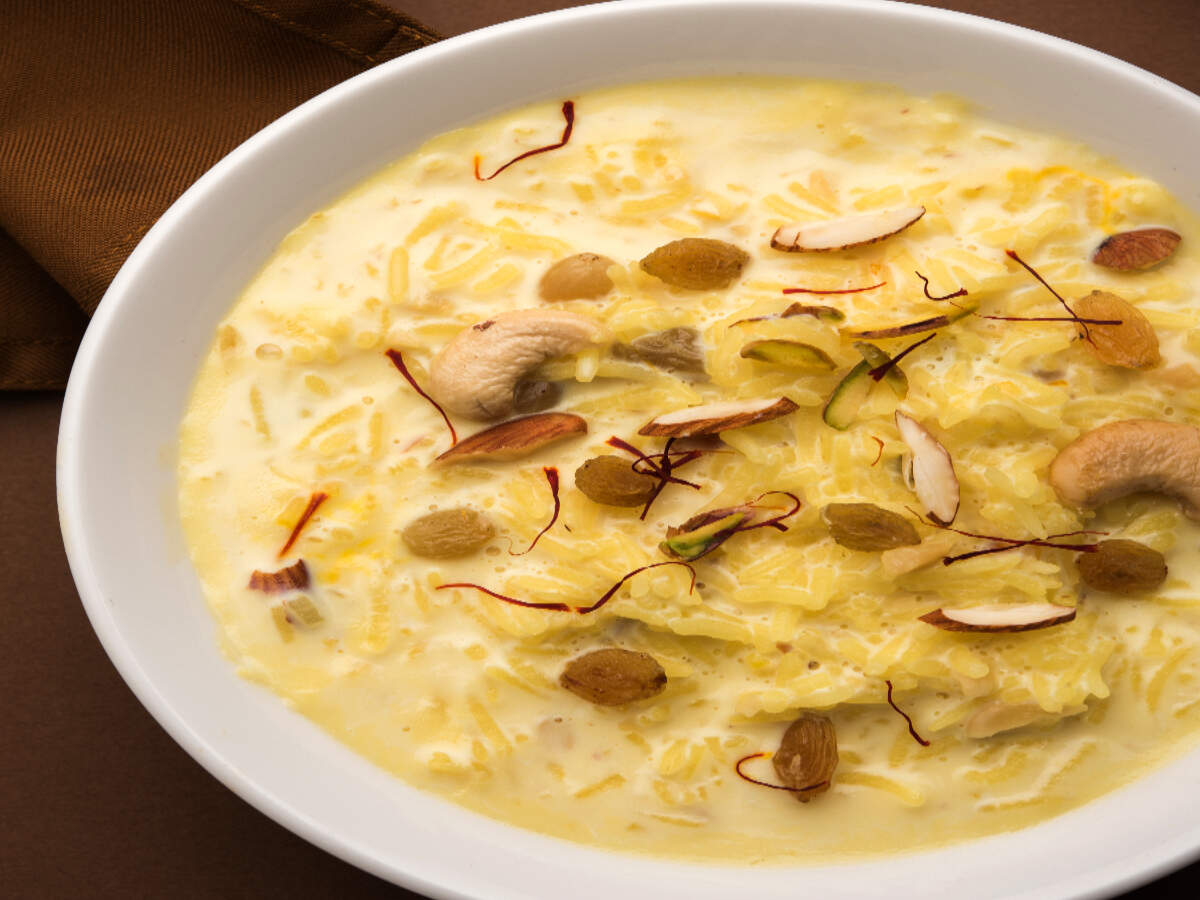
Navratri is a time of devotion, celebration, and delicious festive food. For families observing a fast, preparing dishes that follow their vrat traditions while still offering variety can sometimes be a challenge. If you are looking for a sweet treat beyond the usual fasting recipes, Makhana and Sweet Potato Kheer is a wonderful option to try at home. Made with crunchy makhana (fox nuts), naturally sweet shakarkand (sweet potato), creamy milk, aromatic cardamom, and crunchy dry fruits, this kheer is rich, comforting, and easy to prepare. It brings together two popular ingredients used in many Indian fasting dishes to create a festive dessert for Navratri.
Whether you serve it warm after an evening puja or enjoy a chilled bowl as a sweet treat, this homemade kheer can add something special to your festive menu.
What Makes Makhana and Sweet Potato Kheer Special?

Makhana and sweet potato each bring a distinctive flavour and texture to this dessert. Makhana becomes pleasantly crisp when roasted and softens as it cooks in milk, helping thicken the kheer. Sweet potato adds a gentle sweetness and a smooth, hearty texture.
Cardamom gives the dessert its familiar Indian aroma, while almonds and cashews add a delicious crunch. A little ghee enhances the flavour and helps roast the ingredients.
The best part? You can make this recipe with everyday kitchen ingredients, without needing complicated equipment or advanced cooking skills.
Makhana and Sweet Potato Kheer Recipe: At a Glance

- Preparation time:- 10 minutes
- Cooking time:- 25–30 minutes
- Total time:- Approximately 35–40 minutes
- Servings:- 3–4
- Difficulty:- Easy
- Best for:- Navratri dessert, vrat menu, festive meals, and family gatherings
Times may vary depending on your stove, pan, and the size of the sweet potato.
Ingredients Required
To prepare this delicious kheer at home, you will need:-
- ¾ cup makhana (fox nuts)
- 1 large sweet potato (shakarkand), peeled and coarsely grated
- 3 cups full-fat milk
- 2 tablespoons ghee
- 2 tablespoons finely chopped cashews
- 2 tablespoons finely chopped almonds
- ½ cup sugar, or adjust to taste
- ¼ teaspoon green cardamom powder
- Slivered almonds or chopped pistachios for garnish
Optional additions:- A few strands of saffron or a small amount of chopped dates can provide extra aroma and sweetness. Check that any additions are suitable for your fasting practice.
Step-by-Step Method to Make Makhana and Sweet Potato Kheer
Step 1:- Roast the Makhana
Heat one tablespoon of ghee in a heavy-bottomed pan over medium-low heat. Add the makhana and roast them for around 5–7 minutes, stirring regularly.
The makhana should become crisp and lightly toasted. To check, allow one to cool slightly and crush it between your fingers. If it breaks easily, it is ready.
Transfer the roasted makhana to a plate and let it cool.
Step 2:- Roast the Dry Fruits
Add the remaining ghee to the same pan. Add the chopped cashews and almonds and roast them gently until they turn lightly golden and release a pleasant nutty aroma.
Remove the nuts and set them aside. Keep a small portion for garnishing the finished kheer.
Step 3:- Cook the Sweet Potato
Add the grated sweet potato to the pan and sauté for approximately 5–6 minutes, stirring frequently.
Cooking the sweet potato in ghee before adding milk helps soften it and develop its flavour. Avoid using very high heat, as the grated pieces can stick to the bottom of the pan.
Step 4:- Add Milk and Simmer
Pour the milk into the pan and stir well. Bring it to a gentle simmer, then reduce the heat.
Cook for about 8–12 minutes, stirring occasionally, until the sweet potato becomes tender. Keep an eye on the pan to prevent the milk from boiling over or sticking to the bottom.
If you prefer a smoother consistency, gently mash some of the cooked sweet potato with the back of a spoon.
Step 5:- Crush the Roasted Makhana
While the sweet potato cooks, crush the roasted makhana using a mortar and pestle or pulse it briefly in a mixer.
Aim for a coarse texture rather than a fine powder. Keeping a few small pieces adds a pleasant bite to the kheer.
For a thicker, smoother dessert, you can crush a larger portion of the makhana finely.
Step 6:- Combine the Ingredients
Add the crushed makhana and roasted nuts to the simmering milk and sweet potato mixture. Stir in the cardamom powder and sugar.
Continue cooking over low heat for another 5–8 minutes, stirring frequently. The makhana will absorb some of the milk, and the mixture will gradually become thicker and creamier.
Taste the kheer and adjust the sweetness if needed. If it becomes too thick, add a little warm milk until you reach your preferred consistency.
Step 7:- Garnish and Serve
Turn off the heat and let the kheer rest for a few minutes. Transfer it to serving bowls and garnish with slivered almonds, chopped pistachios, or a few saffron strands.
Serve it warm for a comforting dessert, or refrigerate it after cooling for a refreshing chilled version.
Remember that kheer thickens as it cools, so leave it slightly looser than your desired final consistency if you plan to serve it cold.
Tips for Making Perfect Kheer at Home
1. Roast the makhana properly. Lightly roasting it improves the flavour and helps preserve a pleasant texture before it is added to the milk.
2. Use a heavy-bottomed pan. This helps distribute heat more evenly and reduces the chance of milk scorching.
3. Stir frequently. Milk-based desserts can stick to the bottom, particularly as the mixture thickens.
4. Adjust the texture to your liking. Crush more makhana for a thicker kheer, or add extra milk for a lighter consistency.
5. Control the sweetness. Sweet potato already contributes sweetness, so begin with less sugar if you prefer a mildly sweet dessert.
6. Add cardamom towards the end. This helps preserve its delicate aroma.
7. Allow time for cooling. The consistency changes as the kheer rests, so avoid reducing it too much while it is still hot.
Is Makhana and Sweet Potato Kheer Suitable for Navratri Fasting?

Makhana and sweet potato are commonly used in Indian fasting recipes, making this dessert a popular choice for people looking for a special Navratri sweet.
However, fasting practices differ across households and regions. Some people consume milk, ghee, nuts, and sugar during vrat, while others follow more specific ingredient restrictions.
Before preparing this dish for a religious fast or offering, confirm that every ingredient and preparation method meets your family's customs. Use fresh ingredients and clean utensils, especially when preparing food for a puja.
Serving Suggestions
This kheer is versatile enough to fit different festive occasions.
- After evening puja:- Serve a small bowl as a festive dessert.
- For a family vrat meal:- Pair it with other foods permitted by your household's fasting tradition.
- For festive guests:- Serve in small glass bowls topped with chopped nuts.
- As a chilled dessert:- Refrigerate it and serve cold for a creamier, pudding-like texture.
For a more festive presentation, garnish each bowl individually instead of mixing all the nuts into the finished dessert.
Storage Tips
Allow leftover kheer to cool promptly, then transfer it to a clean, covered container and refrigerate it. For best quality, consume it within about 2 days.
Reheat only the portion you need, stirring gently and adding a splash of milk if it has thickened. Do not leave milk-based kheer at room temperature for extended periods.
If the kheer develops an unusual smell, appearance, or texture, discard it.