


Ancient Indian city Lothal, which probably linked the Harappans with foreign trade
What if the people of India had been trading across the sea for thousands of years before modern ports came into existence?
The ancient city of Lothal, located in Gujarat, offers an interesting glimpse of the trade skills and engineering knowledge of the people of the Indus Valley Civilization. Archaeological evidence suggests that Lothal was an important center of trade and craft production around 2400 BCE.
a city built around trade
Lothal was not just a place to live. Excavations have revealed a well-planned city, with roads, drainage systems, structures such as warehouses and workshops where beads were made.
One of its most striking features is a large reservoir made of bricks, which is approximately 217 meters long and 26 meters wide. Many archaeologists believe it to be an ancient 'dockyard', where boats could move as the water level changed.
However, there is also an important point: some researchers have questioned whether it was actually a dock or whether it had some other purpose. Recent research on ancient river channels in this area has provided further evidence in favor of considering it as a dock, but it is important to pay attention to this debate as well.
Did Lothal trade with other civilizations?
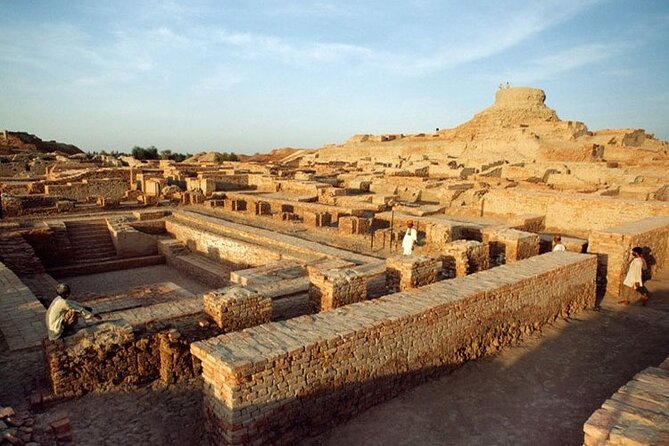
Discoveries such as seals, shell objects and material from remote areas suggest that Lothal was connected to extensive trade networks. Harappan artefacts found outside the Indian subcontinent also point to trade transactions with areas such as the Persian Gulf and Mesopotamia.
The city was known for bead making, and its location near ancient waterways may have helped traders move goods between the hinterland and coastal routes.
Imagine a world where there were neither engines, nor modern ships, nor digital navigation; Yet people organized production, stored goods, and created infrastructure to facilitate trade.
How did Lothal fall?
Changes in the course of rivers, floods and changes in environmental conditions may have affected the prosperity of this city. The decline of Harappan urban centers was a complex process, and historians do not attribute it to any single cause.
The remains of Lothal remind us that ancient Indian history was not limited to kings, forts and wars. It also included skilled artisans, traders, town planners, and communities linked together through trade. The big question is this: If we study ancient India's forgotten trading cities with the same depth that we study its famous monuments, how much more can we learn about ancient India?