


QRani ki Vav is more than a stepwell in Gujarat. It is a monument to medieval engineering, intricate craftsmanship and the enduring importance of water in Indian civilisation..Built in memory of a king and associated with Queen Udayamati, it has survived centuries of environmental change to become a celebrated part of India's heritage..
What if a monument built to remember a king became one of India's most extraordinary architectural treasures? In Patan, Gujarat, stands Rani ki Vav, a historic stepwell that combines engineering, art and religious symbolism in a remarkable structure hidden beneath the ground..
Built in the 11th century, this monument is associated with Queen Udayamati and King Bhimdev I of the Chaulukya dynasty. Unlike an ordinary well, Rani ki Vav was designed with multiple levels of stairs, intricately carved pillars and hundreds of sculptures. Today, it is recognised internationally as a UNESCO World Heritage Site..But why was a stepwell built like an inverted temple? And how did a structure once buried under layers of silt become one of India's most celebrated historical monuments?
Who Built Rani ki Vav?
 Rani ki Vav is traditionally associated with Queen Udayamati, who commissioned the stepwell in memory of her husband, King Bhimdev ..Bhimdev I belonged to the Chaulukya, also known as Solanki, dynasty, which ruled parts of present-day Gujarat during the medieval period. The region developed a distinctive architectural style during this era, visible in its temples and other historic structures..According to historical accounts cited by India's tourism authorities, the construction of Rani ki Vav began around 1063 CE. The project reflects the importance of royal patronage in creating monuments that served practical, cultural and religious purposes..The queen's role is particularly significant because the monument preserves the legacy of a woman associated with a major architectural project from medieval India..
Why Was Rani ki Vav Built?
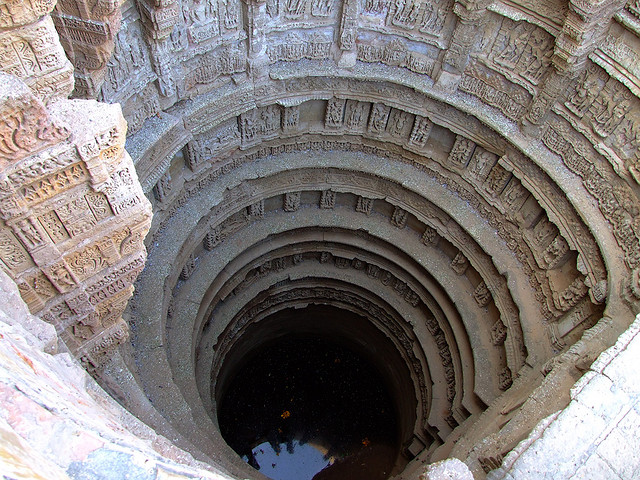
Stepwells were important structures in parts of India where communities needed reliable access to groundwater. They allowed people to descend towards the water level using flights of stairs, making water accessible as conditions changed..Rani ki Vav served this practical purpose while also being designed as a monument of religious and artistic significance..Rather than creating a plain water-storage structure, its builders incorporated elaborate sculptures and architectural details. The result was a place where water management and religious symbolism came together..The design is often described as an inverted temple because visitors descend through increasingly elaborate levels towards the well. This arrangement gives the structure a distinctive visual and spiritual character..
What Makes Rani ki Vav Architecturally Unique?
1. Seven Levels of Stairs
Rani ki Vav is organised into seven levels of stepped corridors and galleries. As visitors move deeper into the structure, they encounter sculpted walls, pillars and architectural details..These descending levels make the monument different from a conventional temple that rises above the ground..
2. More Than 1,500 Sculptures
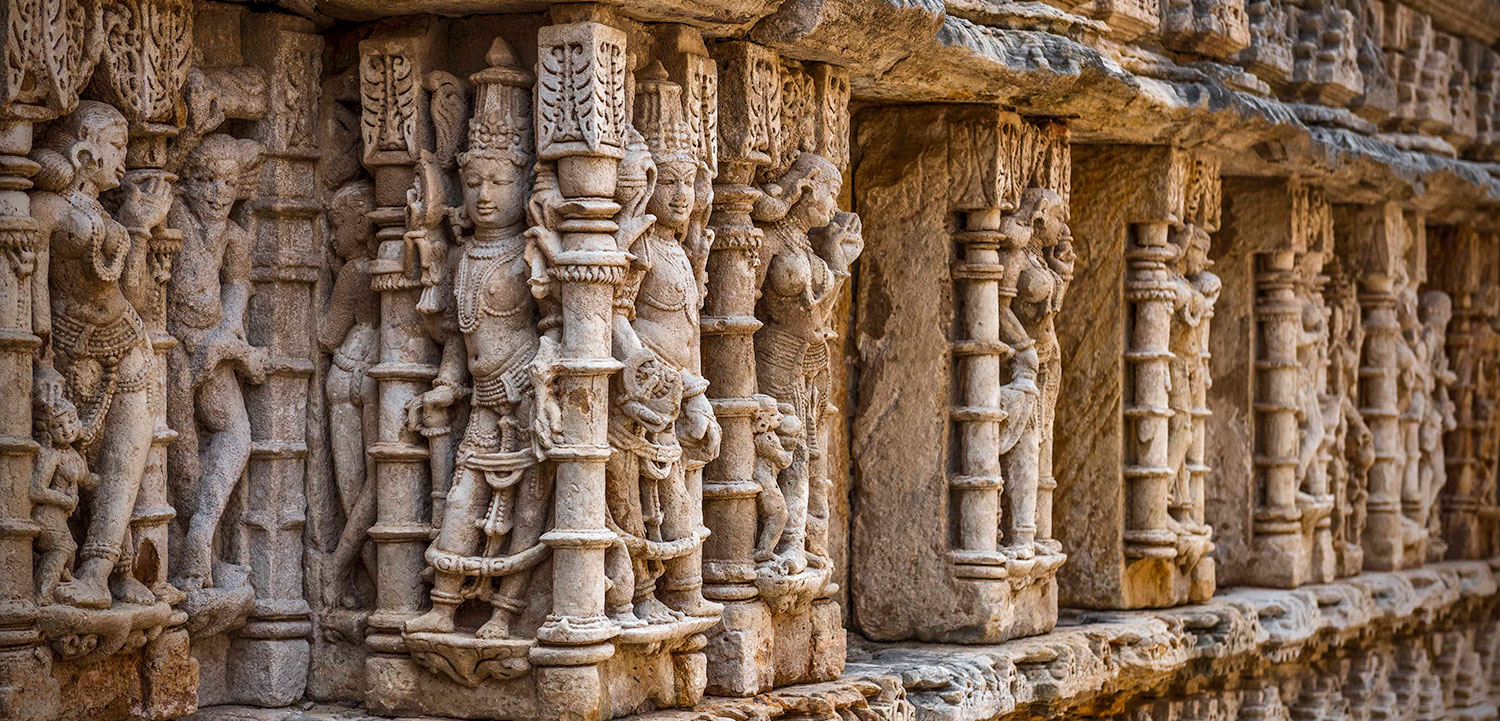
The monument features more than 500 principal sculptures and over 1,000 smaller sculptural elements. They depict religious figures, mythological scenes and other imagery, revealing the skill of the artisans who worked on the structure..The carvings also show how architecture in medieval India could communicate religious ideas through visual storytelling..
3. An Inverted Temple Design
Rani ki Vav was designed to highlight the sanctity of water. Its architecture combines a functional well with a temple-like arrangement of sculpted spaces..
This is one reason the structure is considered more than an engineering achievement: it also reflects the cultural and spiritual importance of water in Indian traditions..
4. The Maru-Gurjara Architectural Style
The stepwell is an outstanding example of the Maru-Gurjara architectural style, associated with parts of present-day Gujarat and Rajasthan..Its detailed ornamentation, carefully proportioned spaces and intricate stonework demonstrate the artistic capabilities of medieval craftsmen..
How Did Rani ki Vav Disappear for Centuries?
One of the most fascinating chapters in the monument's history is its burial beneath layers of silt..Changes in the local river system and flooding contributed to the accumulation of sediment at the site. Over time, much of the structure became buried, helping preserve significant portions of its carvings..By the late 19th century, only parts of the monument were visible. Its full scale and architectural richness became clearer through later archaeological work and restoration..The Archaeological Survey of India undertook major restoration efforts during the 1980s, helping reveal and preserve the historic structure..The same natural processes that damaged its original function also contributed to the preservation of much of its architectural detail..
When Did Rani ki Vav Become a UNESCO World Heritage Site?
In 2014, Rani ki Vav was inscribed on the UNESCO World Heritage List.
The recognition highlighted its exceptional architecture, artistic achievement and importance as an example of India's historic water-management systems..The monument stands as evidence that structures created for everyday needs could also reach extraordinary levels of artistic sophistication..Its heritage status has helped bring greater international attention to Gujarat's architectural history and the craftsmanship of the Chaulukya period. .
Where Is Rani ki Vav Located?
Rani ki Vav is located in Patan, Gujarat, near the historic course of the Saraswati River..Patan has a rich cultural heritage and is also known for its traditional Patola textiles. The city's artistic traditions provide an important context for understanding the fine craftsmanship visible in the stepwell..For anyone interested in Indian history, medieval architecture or heritage conservation, Rani ki Vav offers an opportunity to explore a different side of India's built heritage..
What Does Rani ki Vav Teach Us About Indian History?
Rani ki Vav demonstrates that India's historical monuments were not created only for kings, battles or religious ceremonies. Some were also designed to address practical community needs while expressing artistic and spiritual ideas..Its story highlights the role of Queen Udayamati, the engineering knowledge of medieval builders and the importance of water in the life of the region..It also reminds us that historical discoveries can change how we understand the past. A structure that remained largely hidden for centuries is now recognised as one of India's most remarkable architectural achievements...