


What if a place described in one of India's most famous epics also contains the remains of an ancient settlement?
In the Meerut district of Uttar Pradesh, there's a town called Hastinapur that's really important to the stories of the Kauravas and the Pandavas from the Mahabharata. But what's interesting is that Hastinapur has another story to tell, one that archaeologists have been looking into for a long time, beyond just its religious and mythological significance.
The things we've found here give us a look at what life was like a long time ago, including the kinds of pots people used, the tools they had, and how the stories that were passed down fit with what we know actually happened.
Why Is Hastinapur Famous?
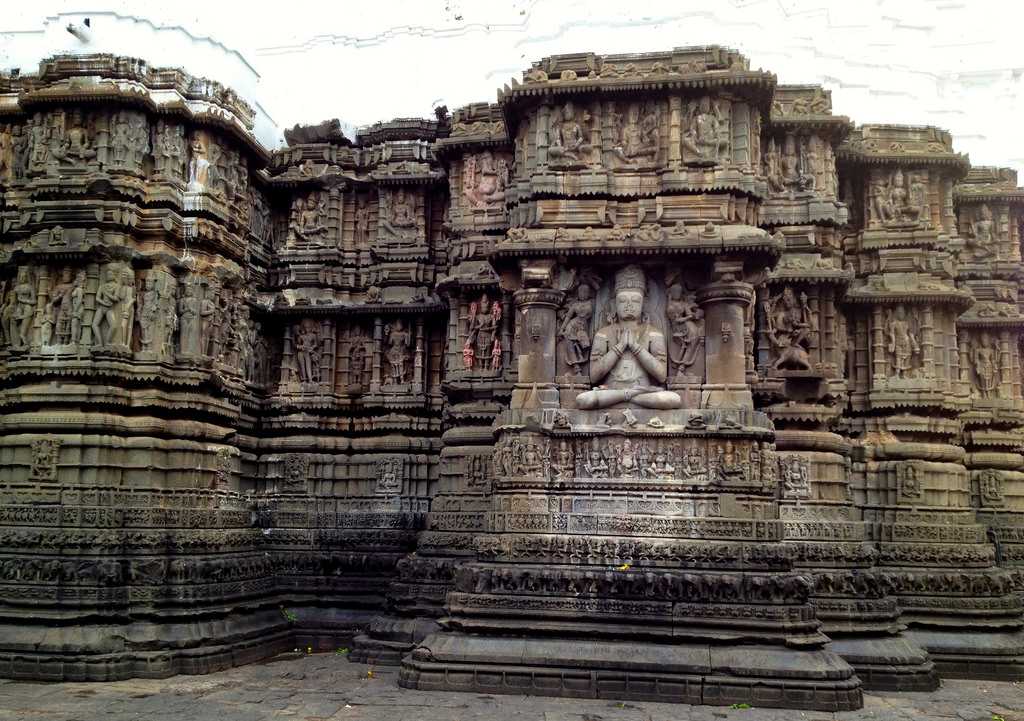
According to the Mahabharata, Hastinapur was the capital of the Kuru kingdom and an important centre in the conflict between the Pandavas and the Kauravas.
The city has a strong connection to King Dhritarashtra and the Pandavas' fight for what's rightfully theirs. It's also linked to the events that ultimately sparked the Kurukshetra War. This city plays a significant role in the story of the Pandavas' struggle for their share of the kingdom, and how it all led to one of the most epic battles in history.
Hastinapur is a place that many people visit to learn about Hindu customs, stories from mythology, and India's past. It's a significant spot for those curious about ancient Indian history.
When you look at the stories in the Mahabharata, they should be seen as separate from the archaeological evidence found at the site. Archaeology is great for showing us how people lived, but it can't prove every single event or character mentioned in an epic story. It's like trying to piece together a puzzle - the stories and the evidence might match up in some places, but they might not tell the same story everywhere. So, we need to understand them separately to get a clearer picture of what really happened.
What Did Archaeologists Discover?
One of the most important archaeological investigations at Hastinapur was conducted by B. B. Lal under the Archaeological Survey of India during 1950–1952.The excavations uncovered different layers of human occupation, including distinctive pottery known as Painted Grey Ware .
This type of pottery is usually grey and has black designs on it. We've found similar pottery at other sites in northern India too.Researchers study these objects to understand the material culture, settlements and technological practices of ancient communities.
The findings at Hastinapur are particularly interesting because the Painted Grey Ware culture is often discussed in connection with the later Vedic period and the geographical setting associated with the Mahabharata.
But looking at pottery is not enough to figure out exactly when the Mahabharata War happened or to confirm that a specific character from the epic actually lived at the site.
Did a Flood Destroy Ancient Hastinapur?
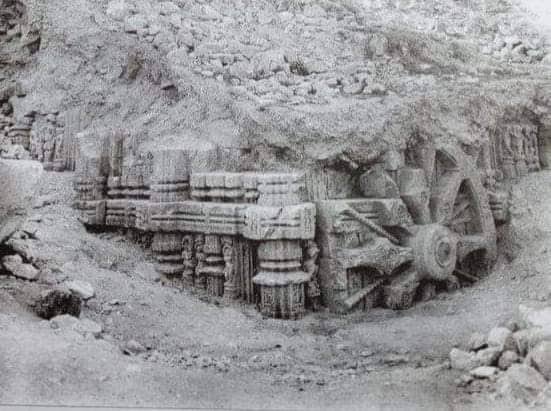
One of the most discussed findings from the earlier excavations was evidence of flooding at the settlement.
B. B. Lal looked into whether this evidence could be linked to old stories about Hastinapur being flooded by the Ganga, which led to the capital being moved to Kaushambi. He wanted to see if there was a connection between the two. The stories said that Hastinapur was washed away, and this could be the reason why the capital was moved. Lal's investigation was important to understand what really happened.
People are interested in this comparison because the stories from ancient poems and the findings from archaeological digs seem to have a common thread.
There's a key difference to consider: finding signs of old floods can show that a settlement went through a tough time with the environment. But it doesn't necessarily mean the flood talked about in the Mahabharata happened exactly like it's described.The connection between what we find at archaeological sites and the stories passed down through epic traditions is still something historians debate and try to understand.
Hastinapur Is Still Important for Research
The site has continued to attract archaeological attention. In a statement dated 2 December 2024, the Government of India confirmed that the Archaeological Survey of India had conducted excavations at Hastinapur during 2021–22 and 2022–23.The government also identified Hastinapur as one of the protected archaeological sites associated with the preservation of cultural heritage from the Mahabharata age.
These investigations demonstrate that Hastinapur is more than a place remembered through stories. It is also a location where researchers investigate the physical remains of ancient communities.
Sources
1. Government of India, Press Information Bureau — Preservation of Cultural Heritage of Mahabharata Age, 2 December 2024: https://www.pib.gov.in/PressReleasePage.aspx?PRID=2079775
2. B. B. Lal's excavation work at Hastinapura is documented in his publication, which can be found in the archaeological journal Ancient India, available online at https://ignca.gov.in/Asi_data/87815.pdf. This journal details his explorations and findings, providing valuable insights into the archaeological significance of the site.
3. INFLIBNET has a chapter on the Iron Age and Painted Grey Ware Culture in India, which can be found at https://ebooks.inflibnet.ac.in/icp02/chapter/iron-age-antiquity-of-iron-in-india/. This resource explores the history of iron in India, including