In the mountains of Himachal Pradesh, there is a temple where lightning is not just a natural phenomenon but also a part of local religious tradition. Bijli Mahadev Temple, located in the Kullu Valley, is famous for a remarkable belief: lightning strikes the Shiva Lingam, breaking it into pieces, and temple priests later restore it using butter and other traditional materials.But why is this temple associated with lightning, and how did it become one of the most distinctive religious landmarks in Himachal Pradesh?
Where Is Bijli Mahadev Temple Located?
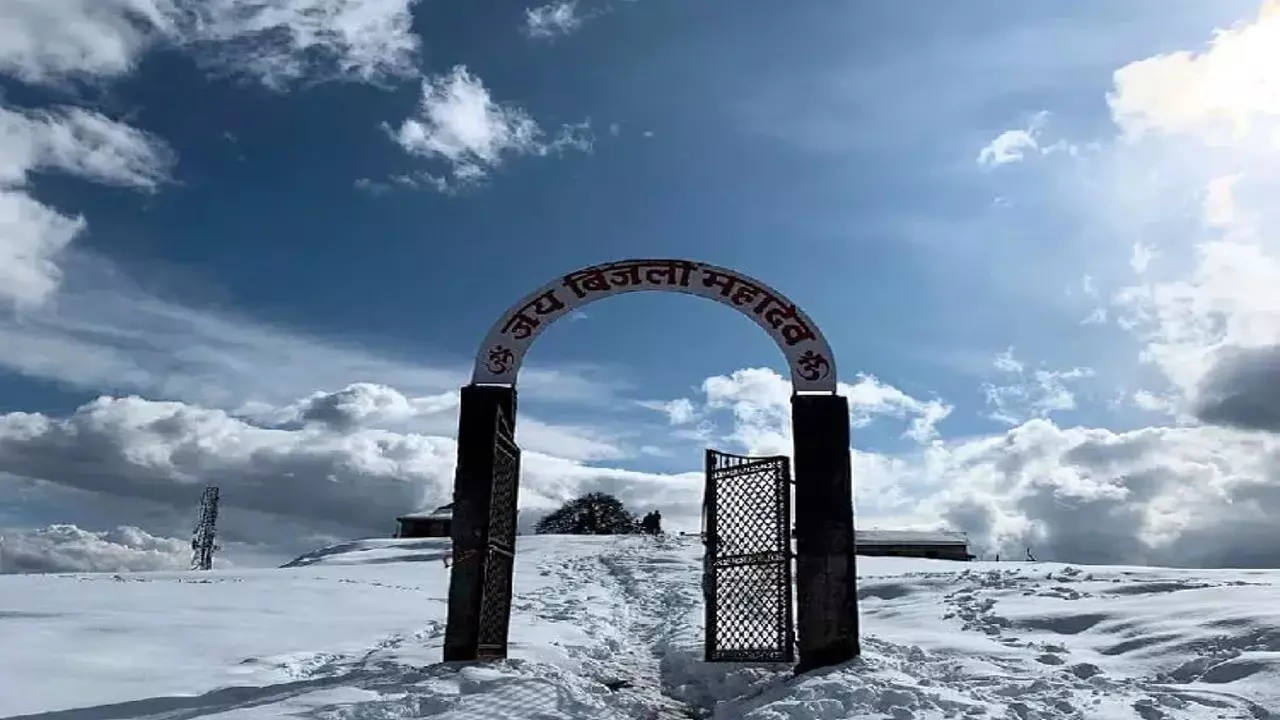
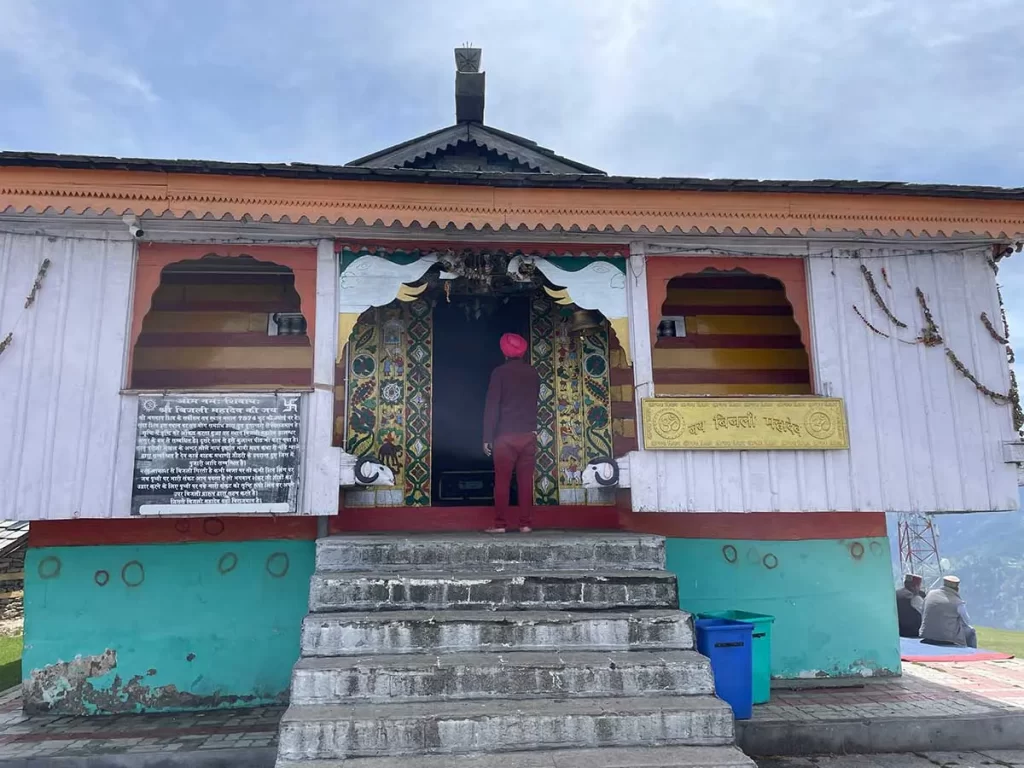
The Bijli Mahadev Temple is nestled in the beautiful Kullu Valley, in the state of Himachal Pradesh, and it's pretty high up about 2,460 metres above sea level. From here, you can see the stunning views of the Kullu and Parvati valleys. One thing that really stands out about this temple is the tall staff near it.
The temple is dedicated to Lord Shiva. Its location on a mountain ridge and the long uphill trek required to reach it have also made it a popular destination for pilgrims and travellers.
Why Is It Called Bijli Mahadev?
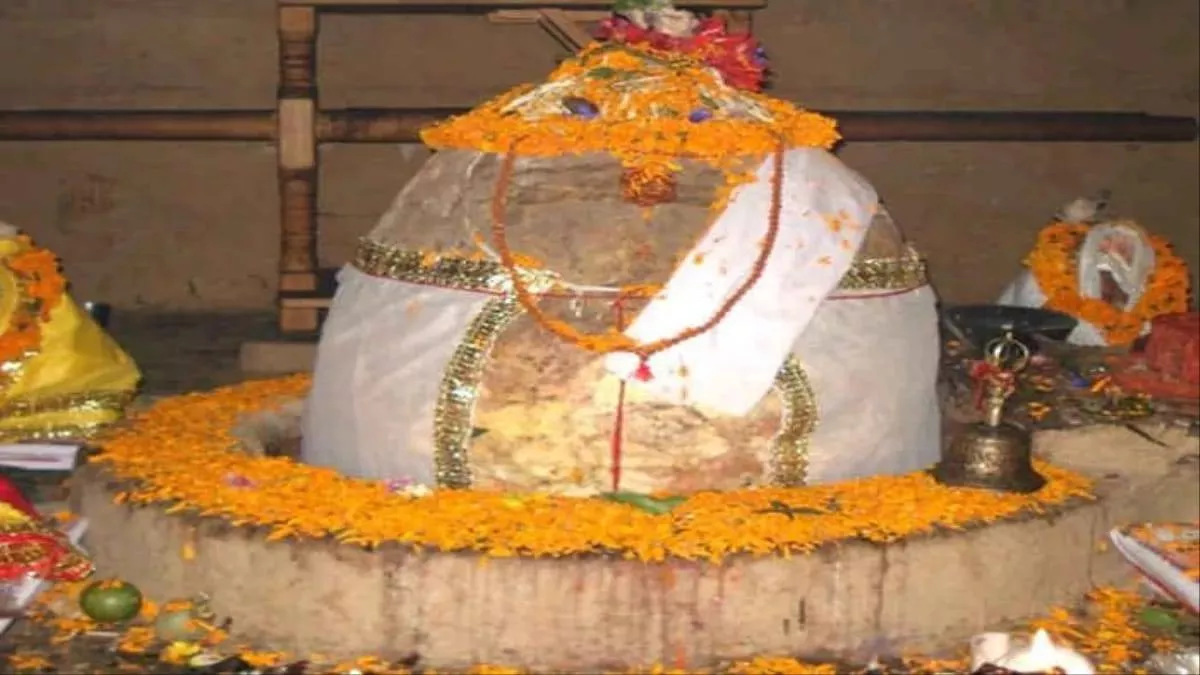
The name is made up of two words: Bijli, which means lightning, and Mahadev, which is another name for Lord Shiva.The temple has a pretty cool story behind it apparently, lightning hits the Shiva Lingam and breaks it. The people who run the temple, like the priests, they collect all the pieces and put them back together using butter, which is a pretty interesting way to fix something. This story is even mentioned by the people at Himachal Tourism, so it's not just a local legend. It's a pretty unique tradition, and it's what makes this temple so famous.
This unique ritual is at the heart of what makes the temple special. But when it comes to why it happens, that's a matter of faith - it's what the locals believe, and it's not the same as the scientific reason behind lightning.
How Old Is Bijli Mahadev Temple?
The age of the Bijli Mahadev Temple is a bit of a mystery. We don't really know when it was built, because there aren't any reliable records or proof from archaeology or inscriptions. Even though it's considered a very old temple, we can't pinpoint an exact year without more solid evidence.
The Kullu region has a rich and fascinating past. If you look at the area's history, you'll find that it goes back a long way. In fact, the official Kullu Dussehra website says that archaeologists have found old coins and other evidence that suggests the Kulutas had a well-organized system of government as far back as the first century BCE. Over time, the region also developed strong ties to religion and culture, which is still evident today.
This backstory helps us understand the old temple customs in Kullu, but it doesn't necessarily mean that Bijli Mahadev has been around since the first century BCE.
The Legend of Kulant: How Did the Temple Come Into the Story?
People in the area still talk about a famous legend , story of Kulant, a demon with amazing powers who could change his shape at will. He turned himself into a massive snake and caused big problems in the Kullu Valley. By blocking the river, he put the whole area in danger of being flooded, which would have been a disaster for the people living there.
Lord Shiva stood up to Kulant and beat him with his trident. Some stories say the demon's huge body became a part of the mountains around them.The story is closely tied to the temple's special place, showing Shiva as the guardian of the valley and everyone who lives there.
There are different versions of this story, with some calling the demon by different names. These tales are part of the local folklore and should not be taken as factual history, but rather as stories that have been passed down through the region's religious traditions.
The Story Behind the Broken Shiva Lingam
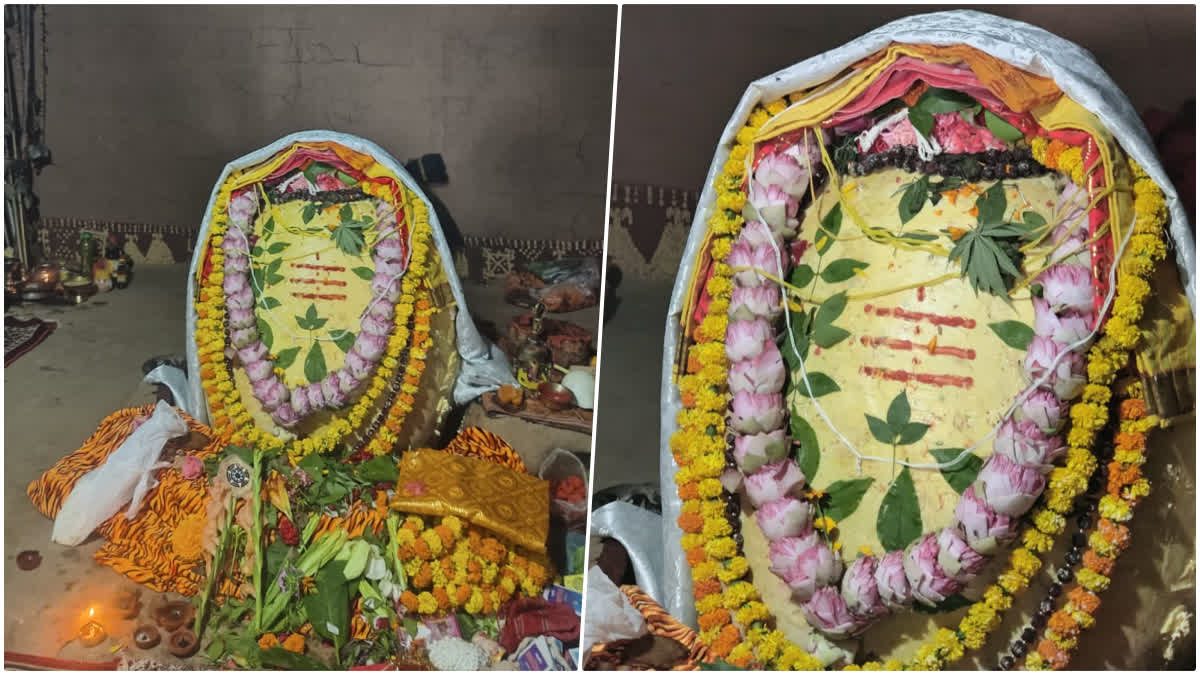
According to the temple's traditional account, the Shiva Lingam is repeatedly damaged by lightning and subsequently restored by the priest. Butter is used to bind the pieces together, and some descriptions of the tradition also mention sattu, a mixture of flour and other ingredients.
For devotees, the restoration carries religious meaning and reflects the continuing relationship between the deity and the people of the valley.
The timing of lightning strikes is not set in stone. Some people say it happens every few years, while others don't give a specific timeframe. So, it's not accurate to say that the Lingam breaks annually or at a regular interval.
What Is the Historical Significance of the Temple?
Bijli Mahadev holds a special place in the local culture of Kullu. It's even mentioned on the official Kullu Dussehra website as one of the area's well known deities. The website also talks about how it's connected to local festivals and religious customs. This shows just how important Bijli Mahadev is to the people of Kullu.
In Himachal Pradesh, temples are more than just places to pray they're also where people come together as a community, celebrate seasons, and follow local traditions.One temple that really stands out in the Kullu region is Bijli Mahadev, known for its unique connection to lightning.
We don't really know when the temple was built or have a complete story of its early days, so we should be careful when talking about how old it is.
The Tall Staff and the Mountain Landscape
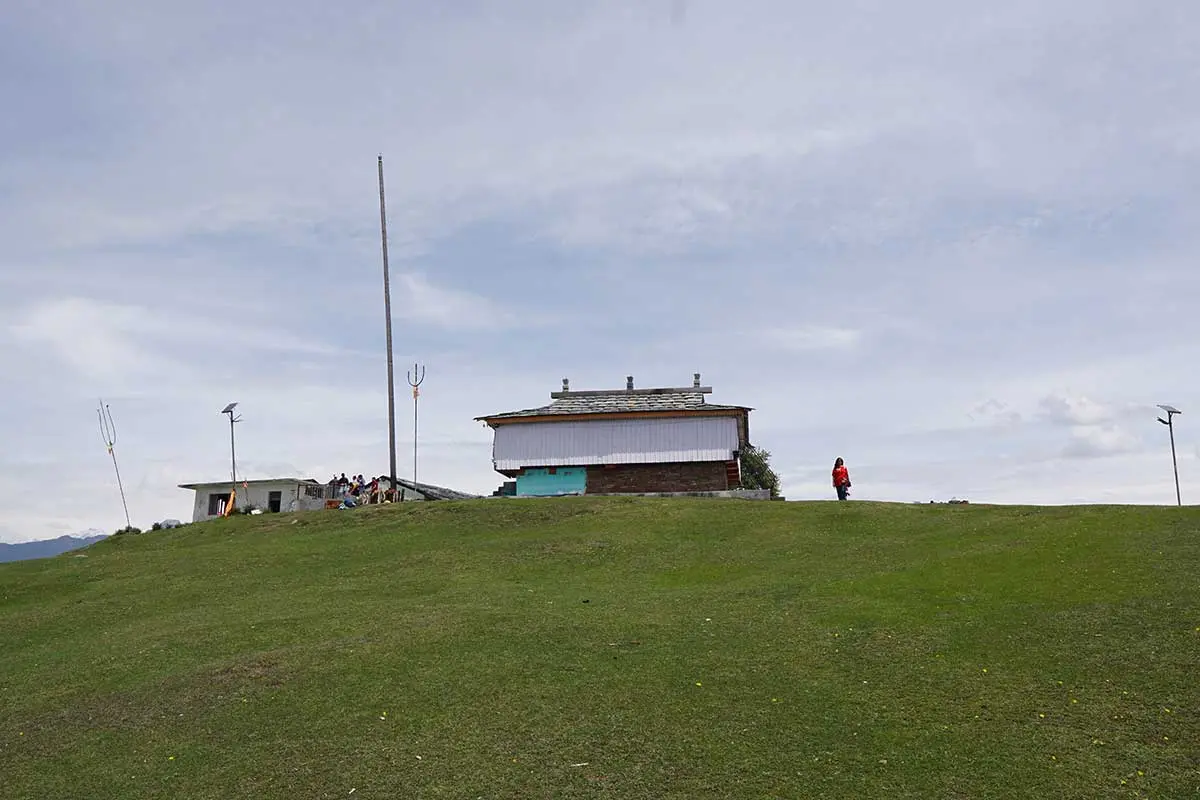
The temple has a really tall staff that stands out it's about 60 feet high. Locals have a story that connects it to lightning, which is pretty interesting. This staff is a big part of the temple's character and people often talk about its link to lightning.
The area around the temple is really beautiful too. You can see the Kullu Valley and the mountains nearby from there. To get to the shrine, you have to walk uphill, so it's a good idea to check what the conditions are like locally and make sure you have enough time to make the trip. The walk can be a bit of a challenge, but the views from the top are worth it.
A Place Where Faith and Nature Meet
The Bijli Mahadev Temple is really special because of how a natural event has become a big part of its religious traditions. What makes it so interesting is the story about lightning, the way the Shiva Lingam was restored, and its dramatic location in the mountains all these things make it a significant place for both devotees and visitors.
Its history is best understood through the traditions that continue to surround it, while keeping a clear distinction between documented information and religious belief.
Sources: The information is based on data from Himachal Tourism and the Government of Himachal Pradesh, as well as the official website of International Kullu Dussehra.