


Homemade vs Packaged Paneer: Which Is Safer?
Paneer is a staple in many Indian kitchens, whether it is used in curries, tikka, sandwiches or quick protein-rich meals. But concerns around paneer quality and the use of non-dairy substitutes have made many consumers question a basic choice: Is homemade paneer safer than packaged paneer? The answer is not as simple as choosing homemade over packaged. According to dietitian advice cited by The Indian Express, homemade paneer is not automatically safer. Food safety depends on the quality of the milk, cleanliness of the utensils and preparation environment, storage conditions and how quickly the paneer is consumed. At the same time, packaged paneer can offer consumers useful information through its label, including ingredients, manufacturer details, dates and storage instructions. The issue has gained additional attention because the Food Safety and Standards Authority of India (FSSAI) has proposed amendments aimed at restricting the use of the term "paneer" for products made from ingredients that are not derived from milk..
What Is Real Paneer?

Traditional paneer is a fresh dairy product made by coagulating milk and separating the curds from the whey. In simple terms, milk is heated and an acidic ingredient such as lemon juice or vinegar is used to separate the milk solids. The curds are then collected, pressed and shaped into paneer. Because traditional paneer is a dairy product, its nutritional composition is linked to the milk used in its preparation. The important distinction is between milk-based paneer and dairy-analogue products that may use non-dairy fats or proteins to imitate some characteristics of paneer. This distinction is at the centre of the proposed FSSAI changes..
Is Homemade Paneer Automatically Safer?
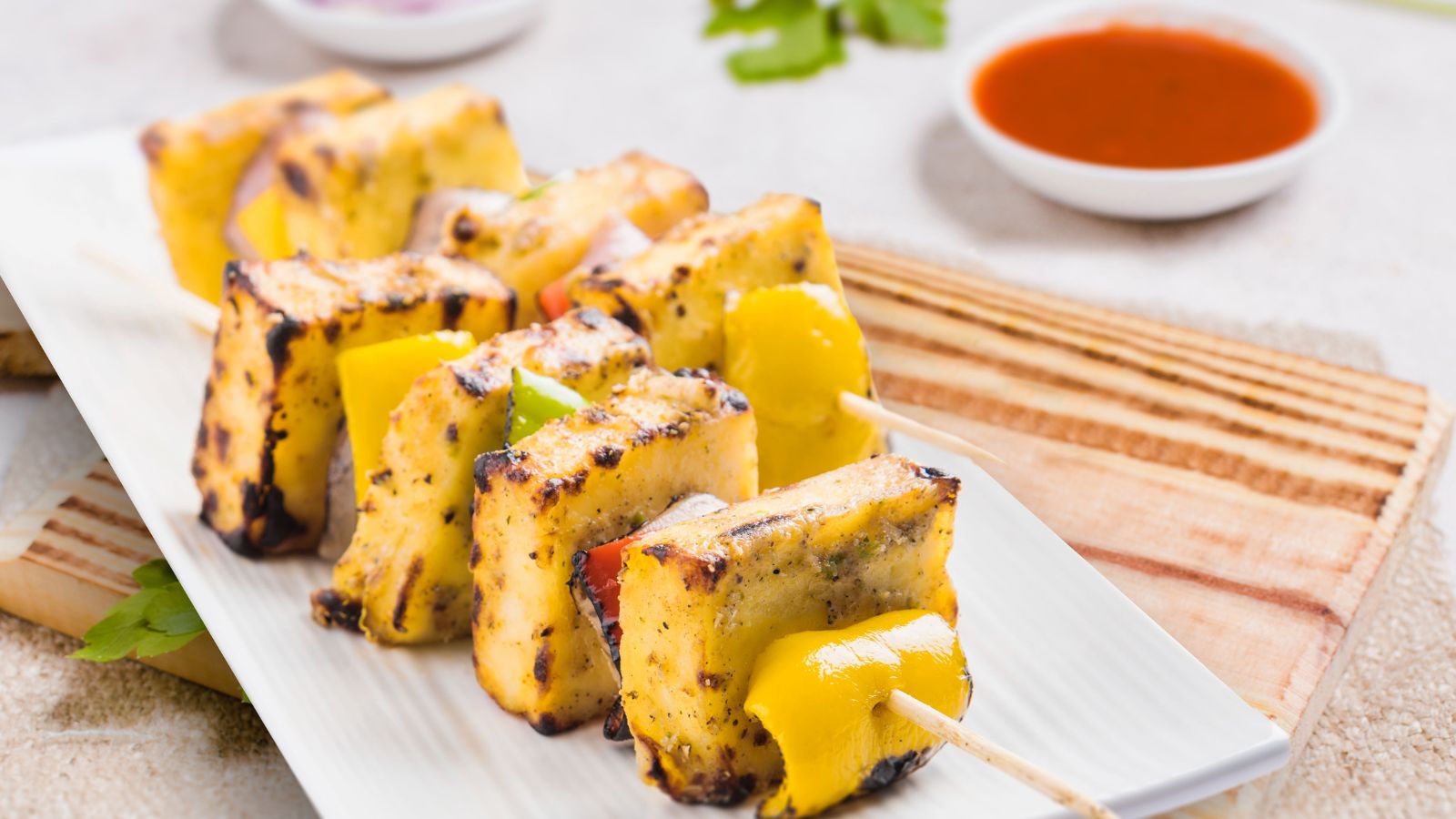
Not necessarily. Making paneer at home gives you greater control over the ingredients and preparation process. You know which milk was used, which acidic ingredient was added and how the paneer was handled. But control over ingredients does not automatically mean complete food safety. If the milk is of poor quality, the utensils are not properly cleaned or the finished paneer is left at an unsafe temperature for too long, homemade paneer can still become contaminated. This is why hygiene and storage are just as important as the fact that the paneer was made at home. A useful rule is simple: homemade does not automatically mean safe, and packaged does not automatically mean unsafe..
What Should You Check When Making Paneer at Home?
If you prepare paneer yourself, pay attention to the complete process..
Start With Good-Quality Milk
The quality of the milk is the starting point for the final product.. Use milk from a reliable source and check the package date and storage instructions if using packaged milk..
Keep Utensils Clean
The pan, strainer, cloth, bowl and other utensils should be thoroughly cleaned before preparation.. Paneer is a moist, perishable food, so cleanliness matters throughout the process..
Avoid Unnecessary Handling
Once the paneer has been prepared, avoid touching it repeatedly with bare hands..
Use clean utensils when transferring or cutting it..
Store It Properly
Fresh paneer should not be left sitting at room temperature for extended periods. Refrigerate it promptly and follow appropriate food-storage practices. If the paneer develops an unusual smell, appearance or texture, it is safer not to consume it..
Is Packaged Paneer Safer?

Packaged paneer can offer an important advantage: traceability and information. A sealed commercial product generally comes with information that allows consumers to identify the manufacturer, ingredients, date details and storage requirements. However, consumers still need to read the label instead of assuming that every packaged product is identical.
Before buying packaged paneer, check:-
- Product name
- Ingredients list
- Manufacturer details
- FSSAI licence information
- Net quantity
- Manufacturing or packing information
- Best-before or expiry information
- Storage instructions
- Packaging condition
A damaged, leaking or improperly sealed package should be avoided..
How Can You Identify Real Paneer?

There is no single visual or home test that can reliably prove whether paneer is authentic.. Colour alone is not enough. A product being white, soft or smooth does not by itself establish that it is made entirely from milk. Similarly, many viral social-media "paneer tests" claim that consumers can identify adulteration simply by boiling, rubbing, stretching or performing other kitchen experiments. Such tests should not be treated as definitive scientific methods. For packaged products, the label and ingredient information are much more useful starting points. If there is a serious concern about adulteration or food safety, laboratory testing and action by food-safety authorities are more reliable than viral home-testing methods..
Why the Ingredient List Matters
The ingredient list can help consumers understand what they are actually buying. Traditional dairy paneer should be identifiable as a milk-based product. A product made with vegetable fats, proteins or other non-dairy ingredients may have a different nutritional and regulatory identity. This is one reason FSSAI's proposed amendments are important. The regulator's September 24, 2026 draft notification concerns restrictions on paneer made from constituents that are not derived from milk. The broader objective is to prevent consumers from being misled into believing that a non-dairy analogue is conventional paneer..
What Is Dairy-Analogue Paneer?
A dairy analogue is a product designed to resemble a conventional dairy food while using some ingredients that are not derived from milk. In the case of paneer analogues, non-dairy fats or proteins can be used as substitutes for components traditionally obtained from milk. The concern is not simply that an alternative product exists. The bigger issue is how it is presented and labelled to consumers. A consumer buying traditional paneer may reasonably expect a milk-based product. If a substitute is sold using the same terminology without adequate distinction, consumers may not know what they are actually purchasing..
What Has FSSAI Proposed?
FSSAI has proposed amendments to the Food Safety and Standards (Prohibition and Restrictions on Sales) Regulations, 2011 concerning paneer made from constituents not derived from milk. The draft notification was published on September 24, 2026, and is currently a proposed regulatory change rather than something that should be described as an already implemented nationwide rule. The proposal seeks to address the use of the term "paneer" for non-dairy analogue products and improve clarity for consumers. This follows a series of state-level actions against analogue paneer. The Indian Express has reported that several states, including Karnataka, Gujarat and Maharashtra, have already taken action against non-dairy paneer at the state level. The proposed national framework would create greater consistency in how such products are treated and described..
Why Does the Labeling Issue Matter?
Imagine a consumer picking up a product labelled simply as paneer. They may assume it contains the same basic dairy ingredients and nutritional profile as conventional paneer. But if the product contains significant non-dairy substitutes, its composition may be different.
That difference can matter for:-
- Protein intake
- Calcium intake
- Fat composition
- Dietary preferences
- Milk allergies or intolerance considerations
- Consumer expectations
- Overall food choices
The key issue is therefore transparency. Consumers should be able to understand whether they are buying a traditional dairy product or an alternative made using non-dairy ingredients.
Homemade vs Packaged Paneer: What Is the Better Choice?
There is no universal winner..
Homemade paneer may be preferable when:
You have access to good-quality milk, maintain good kitchen hygiene and can prepare and store the paneer properly. The biggest advantage is control over the ingredients and preparation..
Packaged paneer may be preferable when:
You want a convenient product with manufacturer information, ingredient details, dates and storage instructions. A sealed, properly labelled product from a reliable manufacturer can make it easier to trace what you are buying.The better choice depends on quality, hygiene, storage and transparency, not simply whether the paneer was made at home or purchased from a shop..
7 Things to Check Before Buying Paneer
1. Read the Product Name
Do not rely only on the large brand name or front-of-pack claims..
Read the actual product description..
2. Check the Ingredients
Look at what the product is made from..
The ingredient list can help distinguish a conventional dairy product from an alternative or analogue..
3. Check the FSSAI Information
Packaged food should carry relevant regulatory and manufacturer information..
4. Check the Date
Look for manufacturing, packing, best-before or expiry information as applicable..
5. Inspect the Packaging
Avoid products with damaged, swollen, leaking or improperly sealed packaging..
6. Follow Storage Instructions
Fresh paneer is perishable. Follow the manufacturer's refrigeration and storage instructions for packaged products..
7. Don't Rely on Colour Alone
A bright white appearance does not prove authenticity..
The label, ingredients, manufacturer information and regulatory details provide much more useful information..
What About Paneer Bought From a Local Shop or Restaurant?

This is where consumers have less information than they do with a sealed packaged product. Ask where practical about the source of the paneer, particularly if you are buying large quantities. For restaurant food, consumers generally cannot inspect the original ingredient label, so choosing establishments with good hygiene standards and a reliable reputation becomes more important. If paneer smells unusual, has an abnormal texture or appears improperly stored, it is better to avoid consuming it..
Does Homemade Paneer Have a Nutritional Advantage?
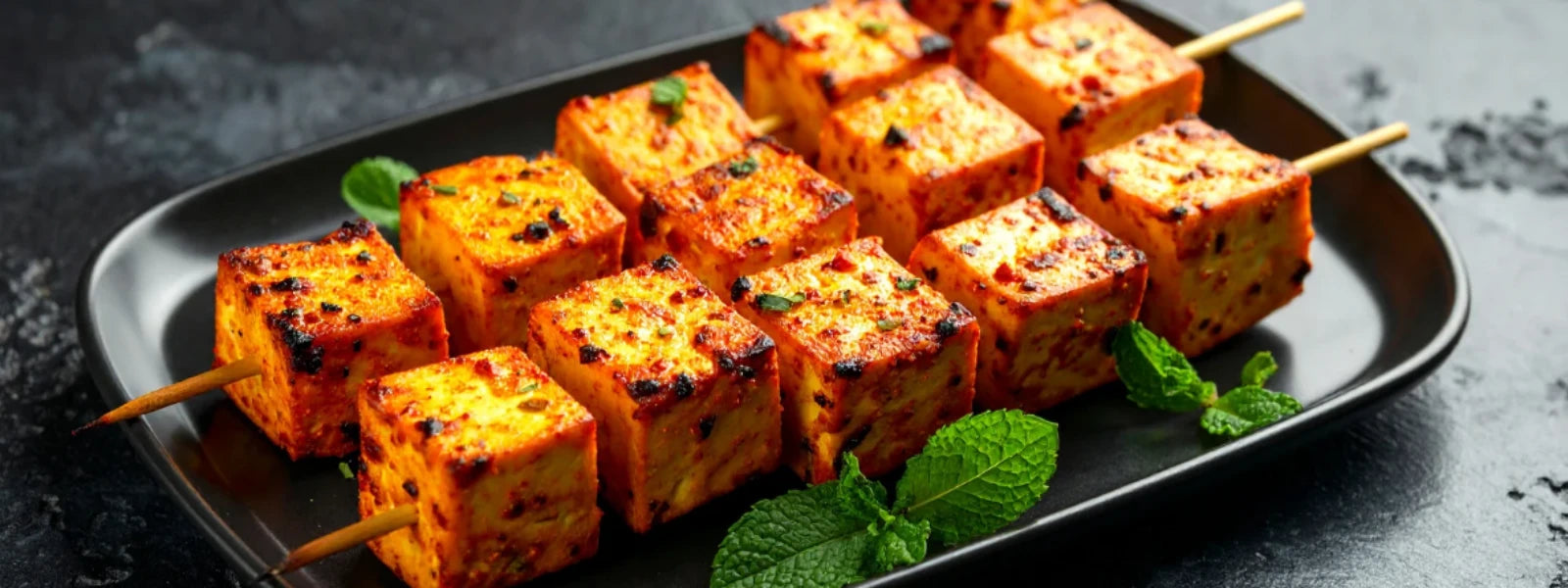
Homemade paneer can give you greater control over the ingredients, but that does not automatically mean it is nutritionally superior..
The nutritional profile depends on factors such as:-
- Type of milk used
- Milk fat content
- Amount of milk used
- Preparation method
- Moisture content
- Portion size
Similarly, packaged paneer products can differ in their nutritional composition. Therefore, consumers looking at paneer as a protein source should check the nutrition information where available instead of assuming that every paneer product contains the same amount of protein or fat..
The Bigger Issue: Knowing What You Are Buying
The recent discussion around paneer is ultimately about more than whether homemade food is better than packaged food. It is about knowing what is actually on your plate. If a product is dairy-based, consumers should be able to identify it clearly. If a product is a dairy substitute or analogue, that distinction should also be transparent. FSSAI's proposed regulatory changes are aimed at addressing this issue at the labeling and sales level. For consumers, the practical lesson is equally straightforward: read labels, check ingredients, pay attention to storage and avoid relying on viral food-adulteration tests as proof of authenticity..